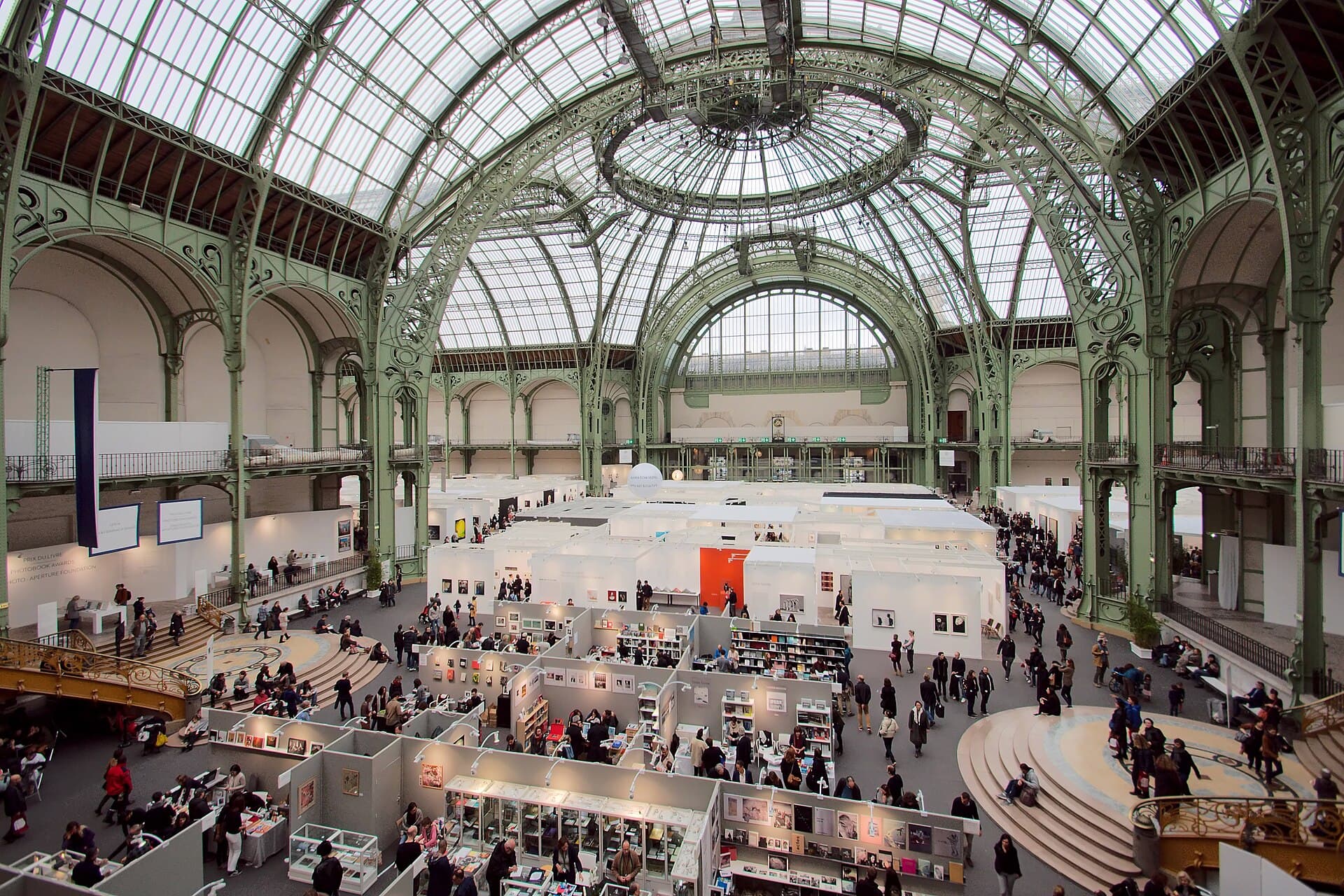
Frieze London and Frieze Masters closed in The Regent's Park on Sunday, October 18, after five days. As reported by FAD Magazine, the two fairs drew 95,000 visitors from 108 countries and regions, including representatives of 426 institutions from 51 countries, with attendance from India and China more than doubling on 2025. Frieze London had 176 galleries from 43 countries and regions, Frieze Masters 142 from 33.
On the eve of the fair we closed with a promise: three things to count once the sales reports were in. Here is the count, and what we make of it.
One: the ceiling stayed in the historical tent
The question was whether any reported sale in the contemporary tent would clear the low seven figures, or whether Masters would again carry the top of the list. Masters carried it, and not narrowly.
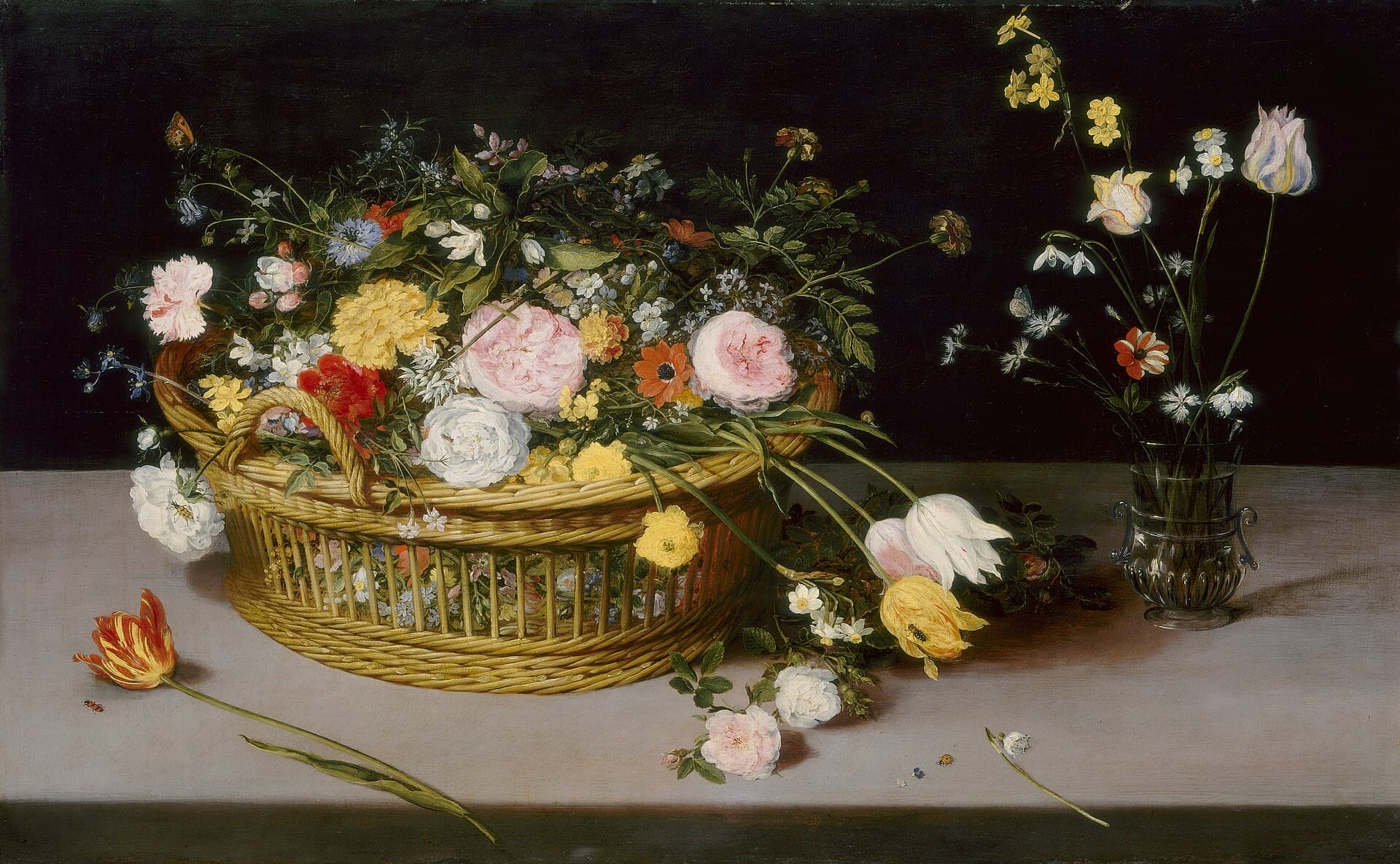
The largest reported transaction of the week was Jan Brueghel the Elder's Still Life of Flowers in a Stoneware Vase, an oil on oak panel of around 1607 to 1608, sold by Hauser & Wirth at Frieze Masters on the first day "in the region of £5 million", as reported by FLO London and FAD. In the curated section Queering Modernism, developed by Anke Kempkes, David Zwirner and Victoria Miro sold four Alice Neel paintings at $1.6 million to $1.8 million each, one of them to a major museum. Carlton Rochell Asian Art sold a second-century Kushan sandstone Avalokiteshvara for over $1 million, as reported by Artlyst, and Piano Nobile placed a major Henry Moore for around £1 million.
In the contemporary tent, the top reported price was $1.5 million, for a new Michaël Borremans at David Zwirner, followed by a Dana Schutz at $900,000 and Avery Singer's Solver (v.3) at Hauser & Wirth for $800,000. That is inside the low seven figures, not above them. Artlyst put it plainly: "The seven-figure sales were few, though."
None of this is a surprise, and that is the point worth making. A flower piece painted four centuries ago sold for more than four times the best price for anything made this decade. Dealers told the press in advance that the historical material was being held for the Grand Palais, and London still ended with its top price on an oak panel of around 1607. Frieze Masters is no longer the companion fair. It is the reason the week has a ceiling at all.
Two: Focus and Artist-to-Artist sold out, and that tells us less than it sounds
The second question was what would be reported sold from Focus and from Artist-to-Artist, the sections the fair offers as its argument for discovery.
The answer is: a great deal, by count. As reported by FLO London, Gianni Manhattan, a. SQUIRE and Harlesden High Street all reported sold-out booths on opening day. Bukia Vakhania sold out its presentation of paintings by Tamo Jugeli at $40,000 each. Xxijra Hii sold out its Yuli Serfaty presentation and took commissions for after the fair. Eli Kerr sold almost all of its Simon S. Belleau presentation at £4,000 to £12,000. In Artist-to-Artist, the stands of Paul Robas with Alice Amati and Unathi Mkonto with Goodman Gallery both sold out, as reported by FAD.
We are glad for every one of those galleries, and we would still read the word with care. "Sold out" is the most useful phrase a young gallery can put in a fair report, because it measures speed and says nothing about margin. A wall of works at £4,000 to £12,000 that clears in an afternoon is real demand. It is also a stand whose whole turnover sits below the reported price of a single mid-career painting in the main tent. The Focus result is good news about appetite. Whether it is good news about the economics of showing at Frieze depends on figures nobody publishes: the stand fee, the shipping, the share of each sale.
The more convincing evidence for Focus is one floor up. As reported by FLO London, galleries that came through the section are now doing well in the main fair: Union Pacific sold out its group presentation, and Edel Assanti, which first presented Marcin Dudek in Focus in 2022, came back with a reconstruction of the artist's childhood bedroom in Kraków and placed paintings by Thornton Dial at $160,000 to $230,000. That is what the section is supposed to produce, and in 2026 it visibly did.
Three: the Tate bought at Hauser & Wirth
The third question was whether the two museum funds the fair names would announce what they bought, and whether a public collection would buy from a Focus stand.
Both announced. The Frieze Tate Fund acquired two works, as reported by FAD on October 16: from Frieze London, Michaela Yearwood-Dan's Peace Unknown (2026), from Hauser & Wirth; and from Frieze Masters, Luis Fernando Zapata's Barge (1992), natural pigments on hand-moulded papier-mâché, from a joint presentation by Galería Elvira Moreno and Alonso Garcés Galería. Both artists enter the national collection for the first time, and both are good acquisitions. The Zapata, by a Colombian artist who died in 1994, is the more interesting of the two: it is exactly the kind of overlooked material Masters is good at surfacing.
But the Tate's Frieze London purchase came from the largest gallery in the tent, not from Focus. It is worth saying, because the fund is the fair's oldest proof that the national collection shops there: as FAD notes, Tate has acquired more than 180 works by over 100 artists at the fair since 2003.
The Focus purchase came instead from the Dasha Shenkman Focus Fund, launched this year by the Contemporary Art Society to buy a work by an artist presenting in Focus for a UK public institution, for five years. Its first recipient, Abbot Hall in Kendal, acquired three works by Okiki Akinfe from Ginny on Frederick, as reported by the Contemporary Art Society: the painting Fame Is a Gun (2026), the lightbox When Chickenheads Come Home to Roost (2026), and the drawing that served as the painting's study. Akinfe graduated from the Royal College of Art in 2023 and is among the 37 artists in British Art Show 10, now open in Coventry. It is a well-judged first purchase, and for a museum in Cumbria it is the kind of work it could not otherwise have competed for.
Our reading is a mixed one. The good news is that a public collection did buy from Focus, and bought seriously, three works rather than one. The less good news is how it happened. The museum money for discovery at Frieze now comes from a fund built specifically to point at that section, not from the fund that carries the Tate's name. A second new fund, from The Women's Art Collection and Female Artists of the Mougins Museum, did something similar for women artists entering UK public collections. The pattern is healthy for the artists. It also suggests that left to themselves, the big funds still buy where the big galleries are.
Two footnotes to the eve note
The new section The Code Universe, which we said in August had to return in 2027 to count as a success, produced something better than a verdict this year. As reported by Artlyst and FLO London, Valentine, a collaboration between ROH, Misako & Rosen and LC Queisser, won the Frieze London Galleries Stand Prize for its presentation of the late Balinese artist Oototol, and Nonfrasa placed six works by Nyoman Darmawan with collectors in the UK and Indonesia. Our test stands, but the section has now given the jury its best stand of the fair, which is a better start than the title promised.
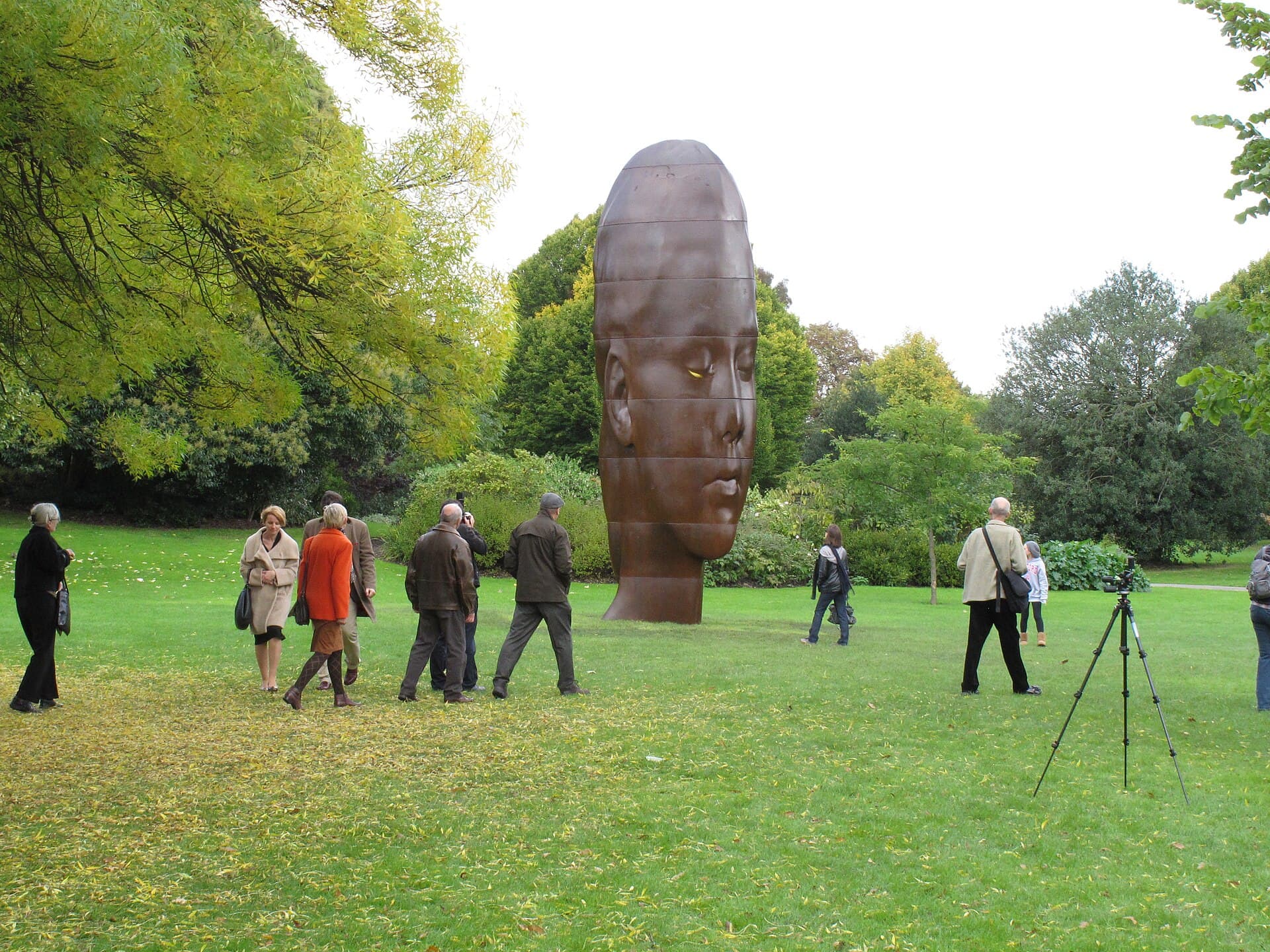
And the sculpture park: of the four park galleries we found inside the tents, three appear in the closing reports. Hauser & Wirth sold the Brueghel and the Tate's Yearwood-Dan. Victoria Miro shared the Neel sales at Masters. Sullivan+Strumpf, of Sydney, placed Atong Atem's Maria of Mars with the new women artists' fund, as reported by FLO London. Of the eight park galleries without a stand, the reports say nothing, which is what we expected. We have still not been able to check the four exhibitor names added after June, and our correction offer stands.
What comes next
The comparison that matters is a week away. Art Basel Paris opens its invitation-only Avant-Première at the Grand Palais today, October 20, with Preview Days on October 21 and 22 and the public from October 23 to 25, as we set out in our preview. Last year London's top reported sale was in the low seven figures and Paris answered with a $23 million Richter. This year London has set a £5 million mark, in old master painting. If Paris clears it with contemporary work again, the "one extended fair" that dealers described in London will look less like a partnership than a division of labour: London finds and sells the new, Masters sells the old, and the Grand Palais takes the top.
Closing attendance, institutional figures, the Brueghel, Neel, Moore, Borremans, Schutz and Singer sales, the Focus and Artist-to-Artist sell-outs and the museum acquisitions from FAD Magazine (Mark Westall, October 19, 2026). Frieze Tate Fund acquisitions and the fund's history from FAD Magazine (Mark Westall, October 16, 2026). Focus prices, former Focus galleries in the main section, the WAC x FAMM Fund and Sullivan+Strumpf acquisitions, and the Code Universe results from FLO London. The Carlton Rochell sale and the "seven-figure sales were few" assessment from Artlyst (News Desk, October 19, 2026). The Dasha Shenkman Focus Fund acquisition and Okiki Akinfe's background from the Contemporary Art Society (October 16, 2026). Sale prices are as reported by the galleries and the organizer, not independently verified. This is desk coverage.