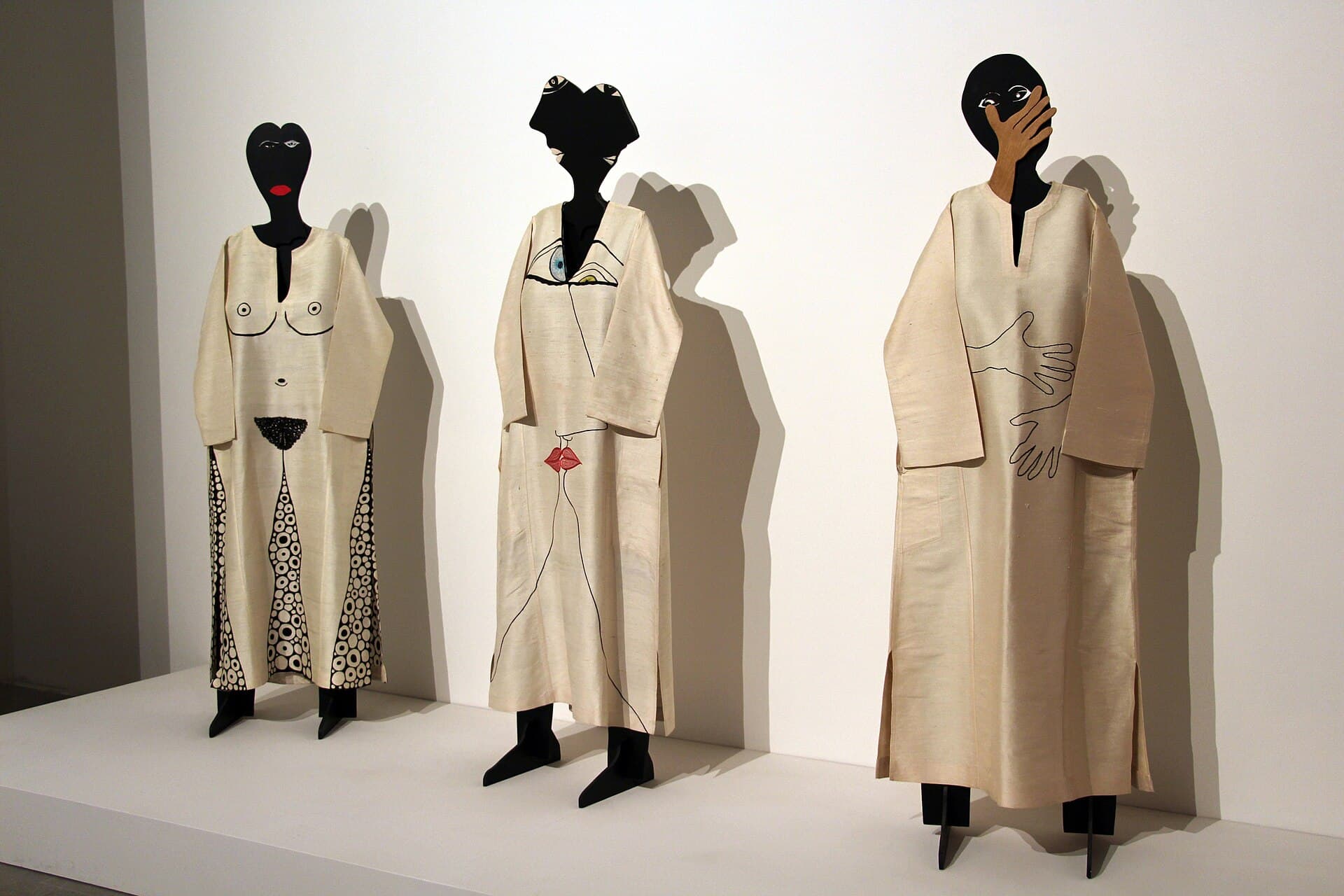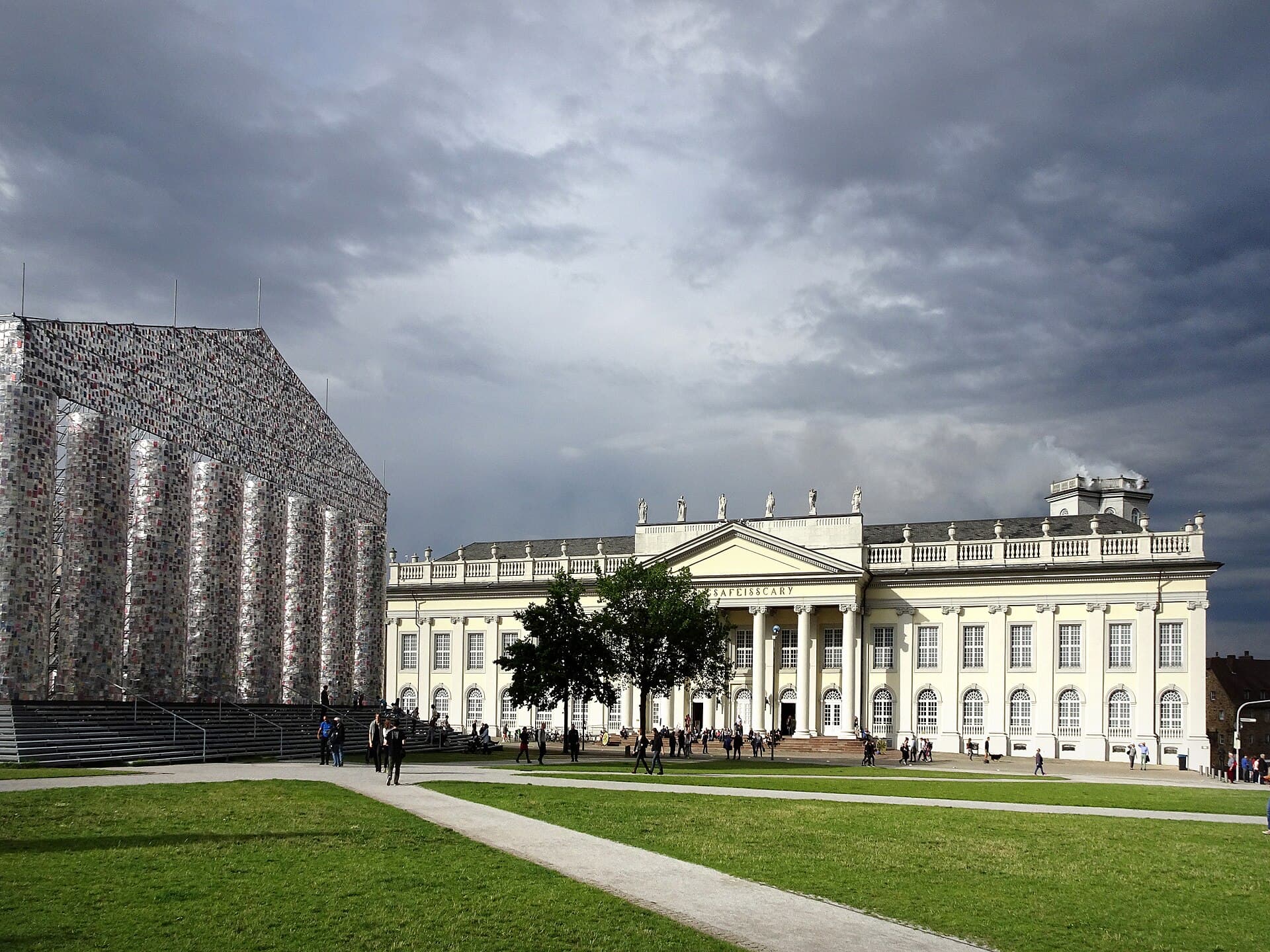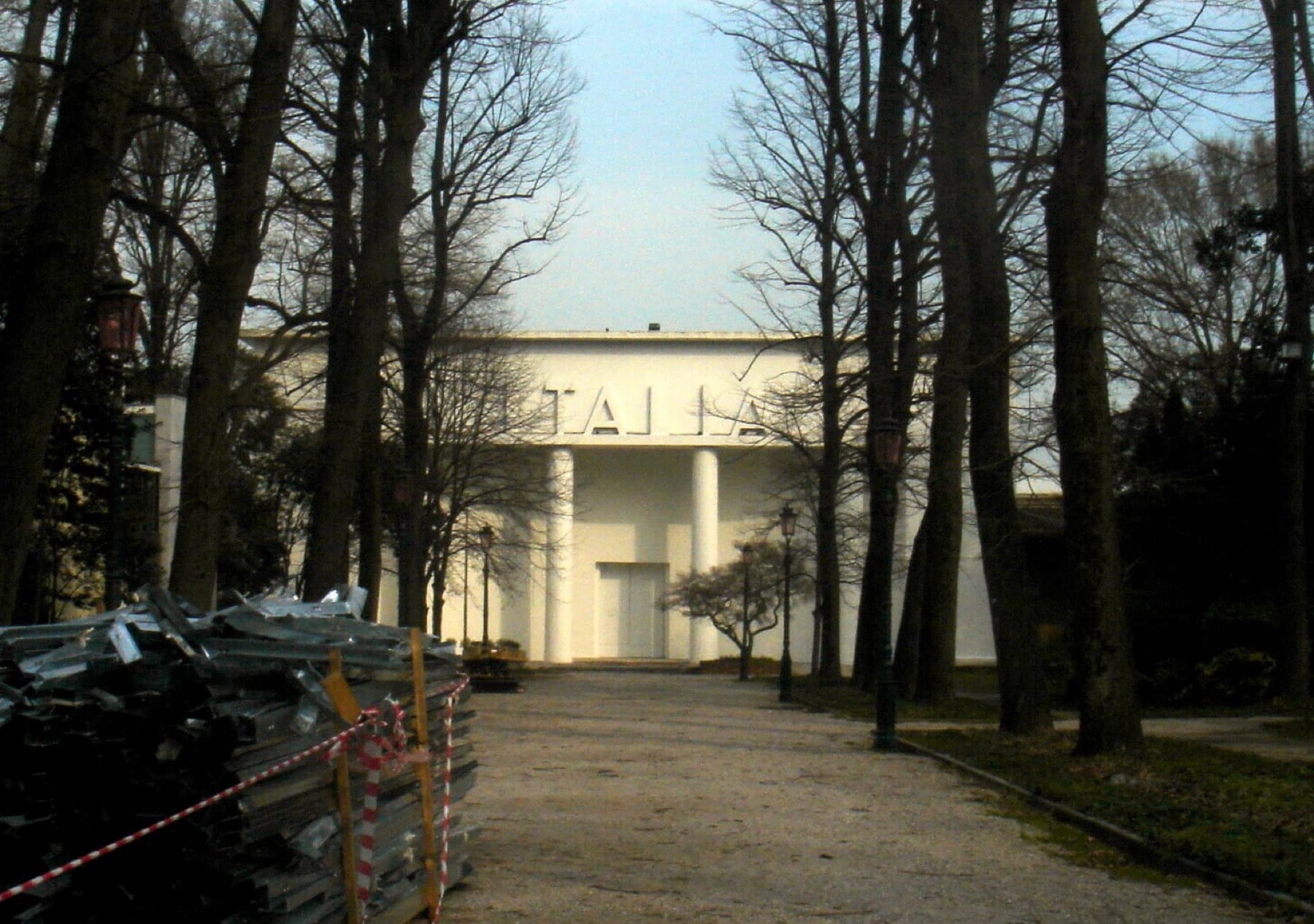
The 61st International Art Exhibition of La Biennale di Venezia, In Minor Keys, opened on May 9, 2026 and runs to November 22 across the Giardini, the Arsenale, venues throughout the city, and Forte Marghera. It was conceived by Koyo Kouoh, who was appointed artistic director in 2024 and died on May 10, 2025, shortly after a cancer diagnosis.
With the full support of her family, La Biennale decided to carry out the exhibition following her project exactly as she had conceived and defined it, in order to preserve and disseminate her ideas and the work she had pursued. She had selected 110 participants. She was the first African woman to curate the exhibition.
The title is an argument
Kouoh's own text is the clearest statement of what she intended, and it is worth quoting rather than paraphrasing:
The minor keys refuse orchestral bombast and goose-step military marches and come alive in the quiet tones, the lower frequencies, the hums, the consolations of poetry, all portals of improvisation to the elsewhere and the otherwise.
Read that against the institution receiving it. A biennial is a machine for amplitude: national pavilions, competing announcements, an opening week engineered so that several thousand people form an opinion in three days. Curating Venice in minor keys is a deliberate refusal of the form's own volume, staged inside the loudest exhibition in the field.
That tension is the exhibition's central proposition, and it is not a small ask of the audience. Quiet work in Venice competes with the city, with the pavilions, and with an opening week that rewards whatever photographs best.
Realizing a project whose author is gone
The decision to proceed exactly as Kouoh defined it is the most consequential institutional choice La Biennale has made in years, and it has no clean precedent at this scale.
The alternatives were all worse. Appointing a successor to reinterpret the project would have produced someone else's exhibition under her name. Postponing would have meant a two-year gap and, effectively, abandoning the work. Proceeding with an explicitly stewarded execution keeps the authorship where it belongs, and accepts the limitation that comes with it: an exhibition of this scale is normally finished in the installation, in the hundreds of decisions a curator makes standing in the room. Those decisions had to be inferred from her documentation rather than made.
The result is something the field does not have a good name for. Not a posthumous tribute, because the selection and the argument are entirely hers. Not a conventional Biennale either, because the final adjustments were made by people executing a brief rather than exercising judgment.
What it means for the circuit
Biennials set the curatorial weather that the commercial calendar reads three to five years later. An artist selected for Venice acquires an institutional record that changes how galleries and collectors price the work, which is why dealers walk the Giardini with a notebook.
That relationship is at its most uncomfortable in a year like this one, when the market has spent eighteen months concentrating into the safest, most established names and thinning out the galleries that show precisely the kind of artist a Biennale like this one exists to surface.
An exhibition committed to lower frequencies and quiet tones is arriving in a market that has been paying for volume and certainty. Whether the 110 participants find support afterwards is a fair test of whether the institutional and commercial halves of this field are still connected.
The exhibition runs until November 22. It deserves to be seen after the opening week has left.
Exhibition dates, venues, participant count and curatorial text per La Biennale di Venezia. Background on the decision to proceed with Kouoh's project as reported by ArtReview and designboom.