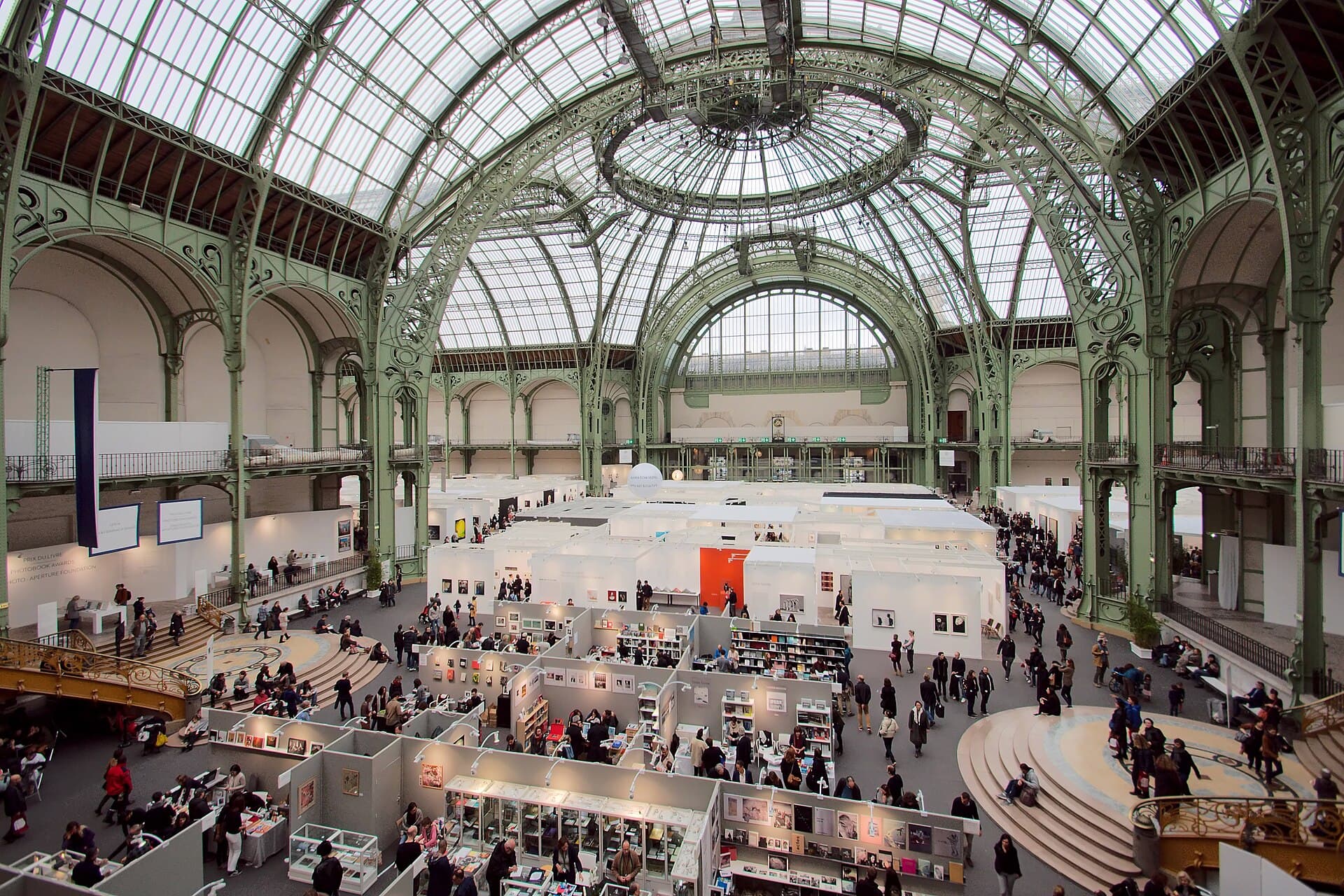
Art Week Tokyo runs from November 4 to 8, 2026, ten days after Art Basel Paris closes at the Grand Palais and four weeks before Art Basel Miami Beach. It carries the Art Basel name as a collaborator, and it is the one stop on that stretch of the calendar that is not a fair. There is no hall and no booth. The organizers' own description is "a dynamic, citywide event with no main venue and no single entry or exit", held together by a free shuttle bus.
The English site counts a record 55 venues: 10 AWT Focus spaces, 13 institutions and 32 galleries. The Japanese homepage says 56. Either way it is the largest edition since the event was founded in 2021, and admission to every participating gallery is free.
The number is not the story this year. The story is what the organizers did to the only part of the week that was built to sell.
From one show to ten
AWT Focus launched in 2023. Art Basel's own editorial describes it as a "curated sales platform with historical scope", and the Japanese site still introduces it as "an exhibition you can buy". Until now it meant one guest curator, one survey-scale exhibition, one central venue, with the works for sale through the participating galleries.
For 2026 that format is gone. In its place, ten curators organize ten projects at ten galleries and art spaces across the city. The official line now calls Focus "a laboratory for curatorial experimentation", and the word "sales" has dropped out of the English description altogether. Atsuko Ninagawa, cofounder of Art Week Tokyo and director of the gallery Take Ninagawa, told Art Basel that "we felt it was time to widen the scope to multiple perspectives and spaces."
The model is borrowed, openly, from curated by, the Vienna initiative in which the city's galleries each hand their space to an outside curator for a month. The Tokyo version was developed with the Vienna organizers.
The ten, as listed by Art Week Tokyo:
- The Quiet, curated by Augusto Arbizo, at Yutaka Kikutake Gallery.
- Erika Verzutti: Portrait of Sculpture, curated by Julie Boukobza, at Misako & Rosen.
- The Constitution of Japan 2026, curated by Greg Dvorak and Kenji Ono, at Mujin-to Production.
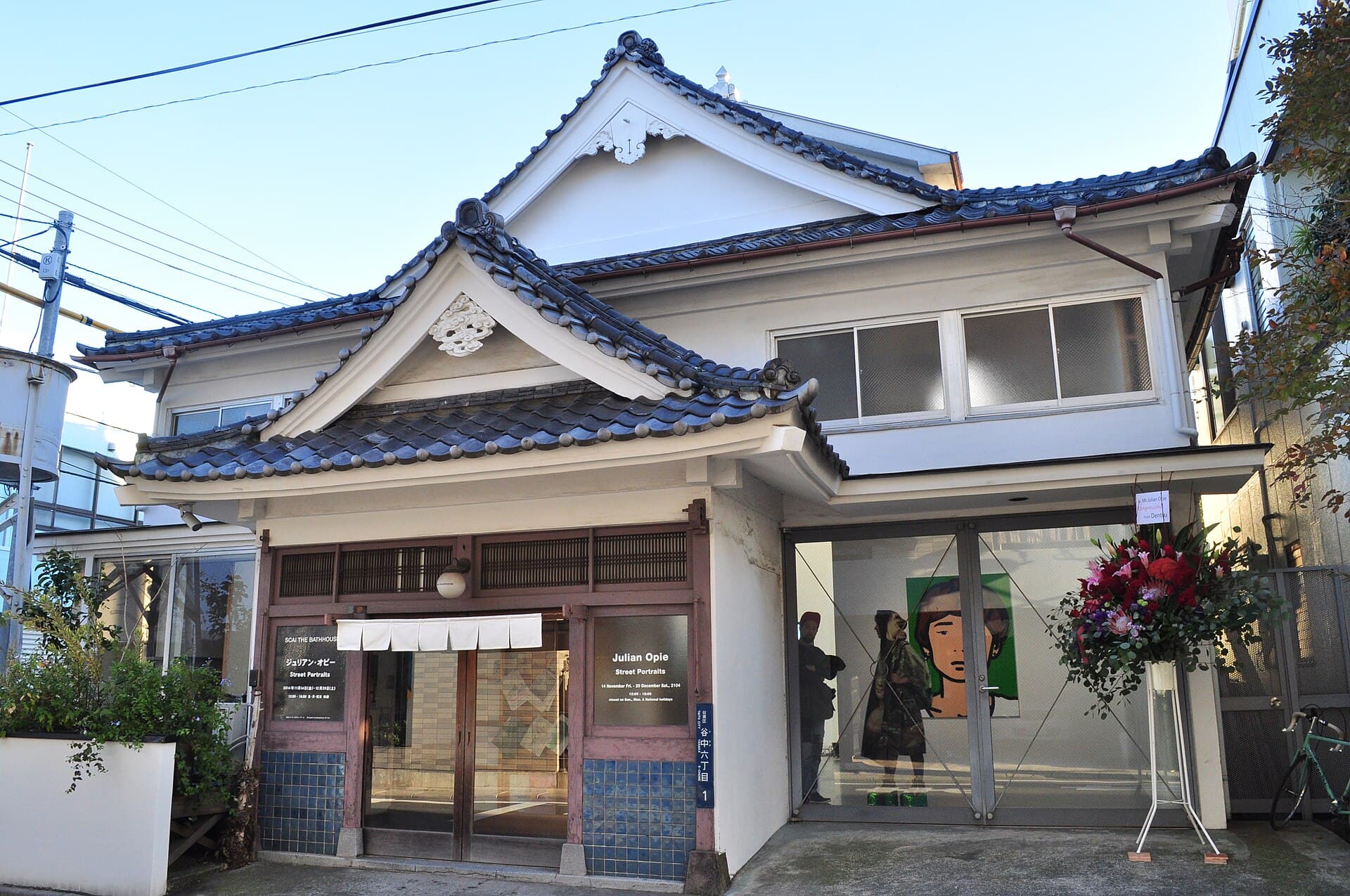
- Nobuko Tsuchiya: Ace of Hearts, curated by Martin Clark, at SCAI The Bathhouse.
- Mary Weatherford: Komorebi, curated by Jeremy Strick, at Shibunkaku in Ginza.
- Natsumi Aoyagi: Possible Words, Possible World, curated by Jaemin Shin, at Misa Shin Gallery.
- Julianknxx: How Much Light Must I Consume?, curated by Ekow Eshun, at space Un.
- Koji Kamoji: Everyday Life, curated by Maria Brewińska, at Take Ninagawa.
- Patchwork of Ruffled Wings, curated by the queer feminist collective Multiple Spirits, at Waitingroom.
- Taro Masushio and Sophie Nys, curated by Olivier Mignon, at XYZ Collective.
Where it convinces
The decision suits the city better than the format it replaces. A single sales exhibition in a rented venue is a fair with the booths taken out: it concentrates the visitors in one room and asks the galleries to send work there. Tokyo's argument has always been the opposite, that the interest lies in the spaces themselves, spread over a city too large to walk. Putting the centrepiece back inside the galleries makes the programme say what the bus map already said.
It also produces a more pointed list than a single thesis would. Three of the ten are worth the trip on paper.
Koji Kamoji was born in Tokyo in 1935, left for Poland in 1959 and became a central figure of the Polish postwar avant-garde. He is 91. Maria Brewińska, who has worked with him for years, builds the Take Ninagawa show around his memories of interpreting for the photographer Yoshino Oishi when she interviewed survivors of the Nazi camps in the 1980s, and it includes a new installation, A Room in Auschwitz (2026). An artist that important to Warsaw and that little shown in the city he was born in is exactly the kind of historical correction a week like this exists to make.
The Constitution of Japan 2026 is the fourth edition of a recurring exhibition that pairs artworks with articles of the 1947 constitution. This time it is split between two galleries, with Mujin-to Production in the east of the city recast as "Shelter" and Aoyama Meguro in the west as "Sweatshop". It is the most political project on the list and the only one that uses the geography of the week as its material.
Julianknxx, born in Freetown and based in London, has his first exhibition in Japan at space Un, a gallery and residency dedicated to art from Africa and the African diaspora, curated by Ekow Eshun and built around the film What Colours Can We Dream in This Night Filled with Salt? (2025), with choral performances alongside it.
Around these sit two more Japanese debuts by artists with established markets elsewhere: Mary Weatherford's first exhibition in the country, of 2024 shellac ink works on gampi paper with one neon painting, and Erika Verzutti at Misako & Rosen.
Where it does not, yet
Two reservations, both taken from the organizers' own pages.
The first is who chose. The ten projects came out of a call for proposals and were selected by two people: Misako Rosen of Misako & Rosen and Raphael Oberhuber of Galerie nächst St. Stephan Rosemarie Schwarzwälder in Vienna, representing curated by. Misako & Rosen is one of the ten venues. Take Ninagawa, the gallery of Art Week Tokyo's director, is another. SCAI The Bathhouse, whose founder Masami Shiraishi sits on the advisory board, is a third. None of this is hidden, and a gallery-led initiative will always be selected by gallerists. But the previous format put an outside curator between the organizers and the list. This one does not, and three of ten is a large share for the people nearest the decision.
The second is what happens to the selling. The single Focus exhibition gave a visiting collector one room, one checklist and one argument about Japanese art history to buy into. Ten gallery shows with ten curators are, in commercial terms, ten gallery shows. The 32 other participating galleries are also open, also free, also on the bus. What marks a Focus venue apart from its neighbours is a guest curator and a line in the programme. Whether that is enough to move works, or whether Focus has quietly become an exhibition programme rather than a sales one, is not something the announcement answers. No source we have read gives a sales figure for any previous edition, so there is no baseline to measure the new one against.
The rest of the week
The institutional side is strong. As reported by Art Basel, the Mori Art Museum has a major Mariko Mori retrospective, the National Art Center, Tokyo, a group show on shōjo manga, and the Artizon Museum a new edition of its Jam Session series with Hikaru Fujii working from the Ishibashi Foundation Collection.
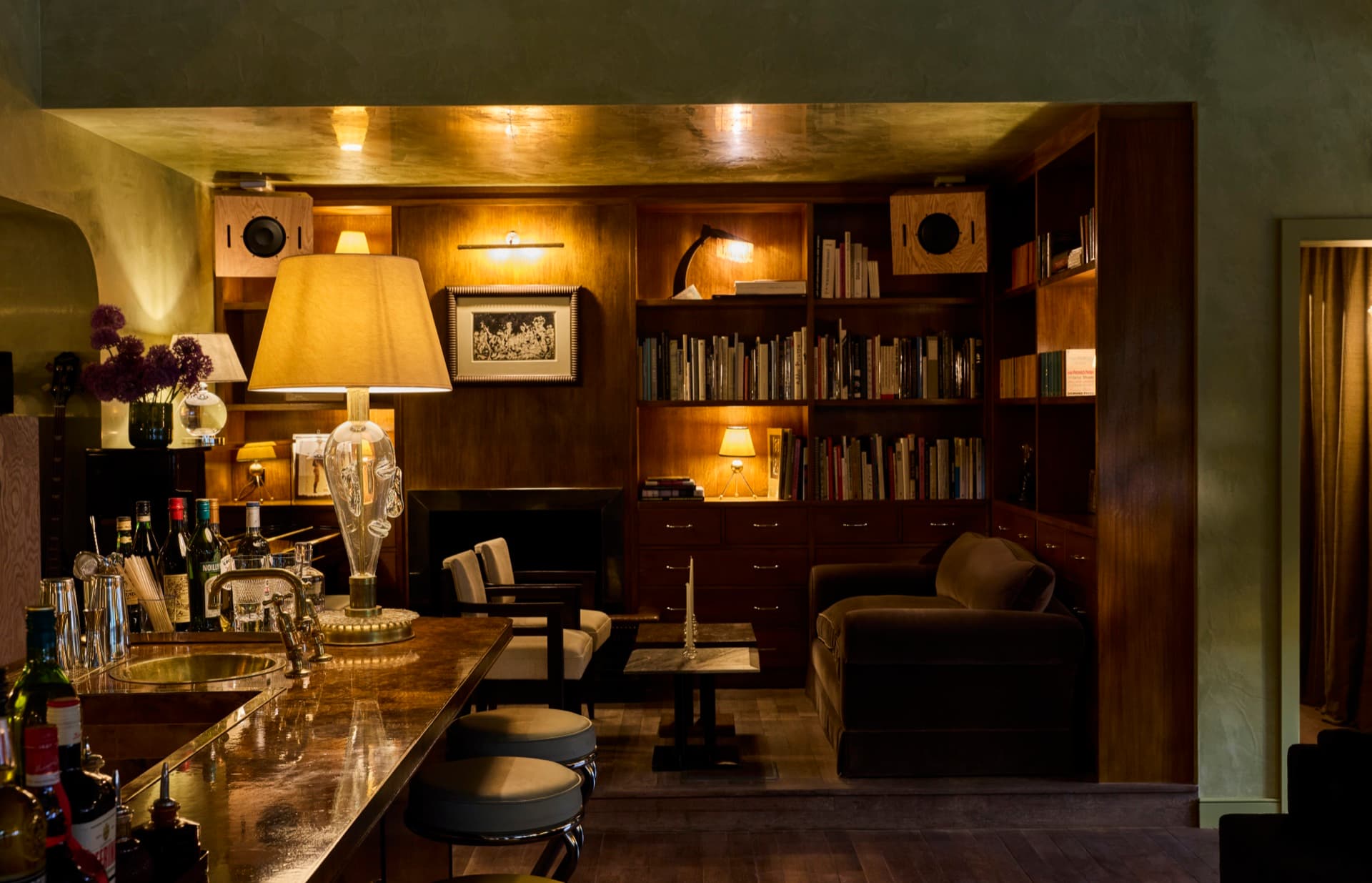
AWT Video, curated by X Zhu-Nowell of Shanghai's Rockbund Art Museum under the title Your Travel Guide To…, screens work by ten artists from the participating galleries in the ground-floor Earth Garden of a bank tower in Marunouchi, free, from 10am to 6pm. AWT Bar in Minami-Aoyama is designed by Kae Ito, who spent a decade at SANAA and was picked by Kazuyo Sejima, with cocktails devised by Natsumi Aoyagi, Yoshihiro Suda and Mariko Mori. AWT Talks has a symposium at Keio University on November 6 and a museum directors' conversation at the Museum of Contemporary Art Tokyo on November 5, as listed by Metropolis Japan.
The practical detail that matters: the AWT Bus runs only from Friday, November 6, to Sunday, November 8, every 15 minutes from 10am to 6pm, free with a wristband that also gives discounted museum admission. The first two days of the week have no shuttle.
What it means for the circuit
Art Basel has spent the year turning positions into contracts, as we wrote after Hong Kong. Tokyo is the exception in its portfolio: a collaboration with a local non-profit platform, supported by the Agency for Cultural Affairs, that sells no booths and charges no entry. With the 2026 change it moves one step further from the fair model, not closer.
That is a defensible reading of what Tokyo needs. It is also a week that now has to prove it brings buyers and not only visitors, in the same season that Kusama's market is being tested in Hong Kong and the Art Basel galleries are counting what Paris delivered. The ten Focus shows are the place to look for the answer.
Dates, venue counts, the AWT Focus format, selection committee, projects, curatorial statements, bus and admission details from Art Week Tokyo, including its AWT Focus, About and Tickets pages, read on October 13, 2026. The description of AWT Focus as a curated sales platform, Atsuko Ninagawa's quote and the museum exhibitions as reported by Art Basel (Travis Jeppesen, June 1, 2026). AWT Video, AWT Bar and AWT Talks details as reported by Metropolis Japan (Keyan Li). This is desk coverage.