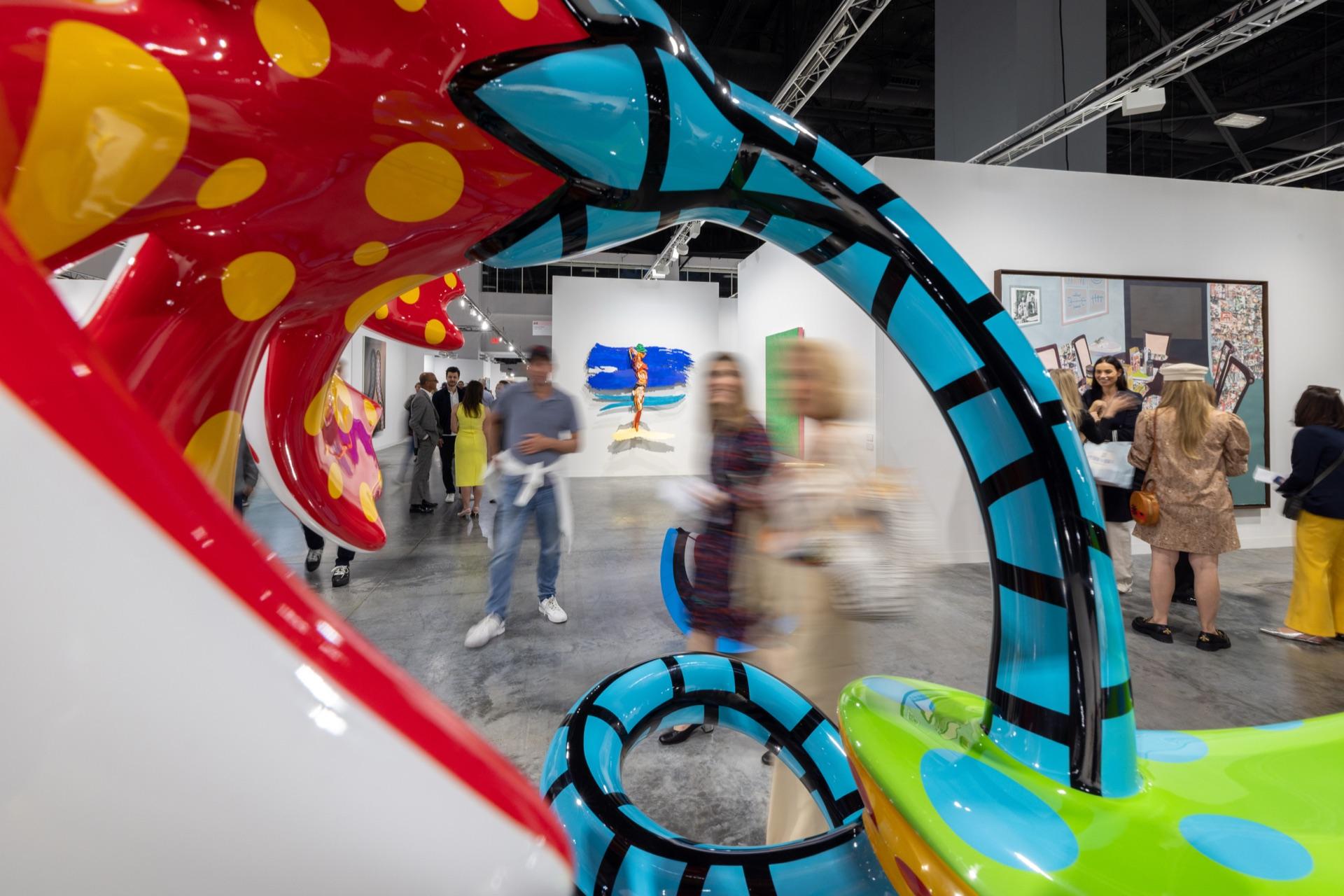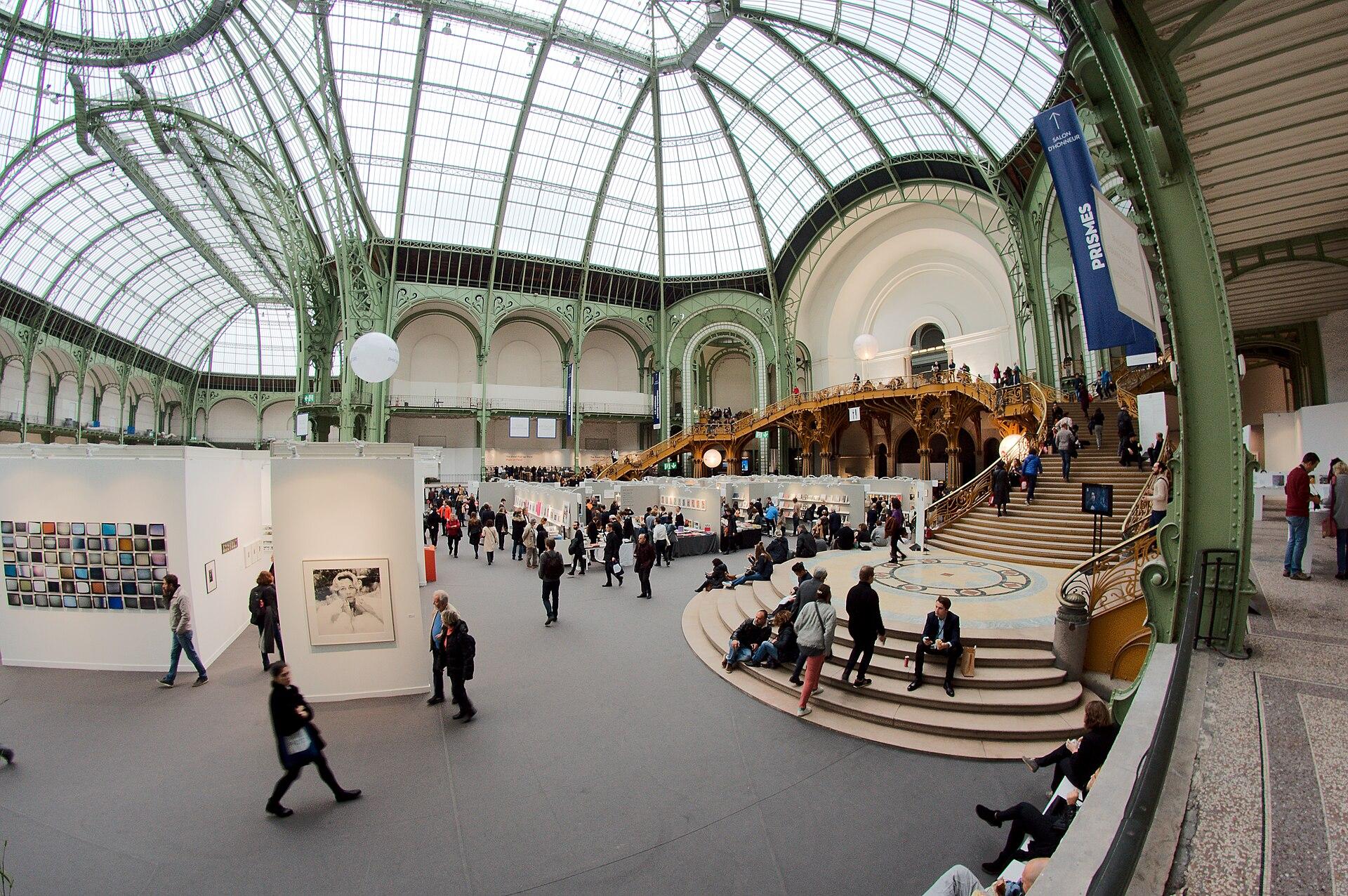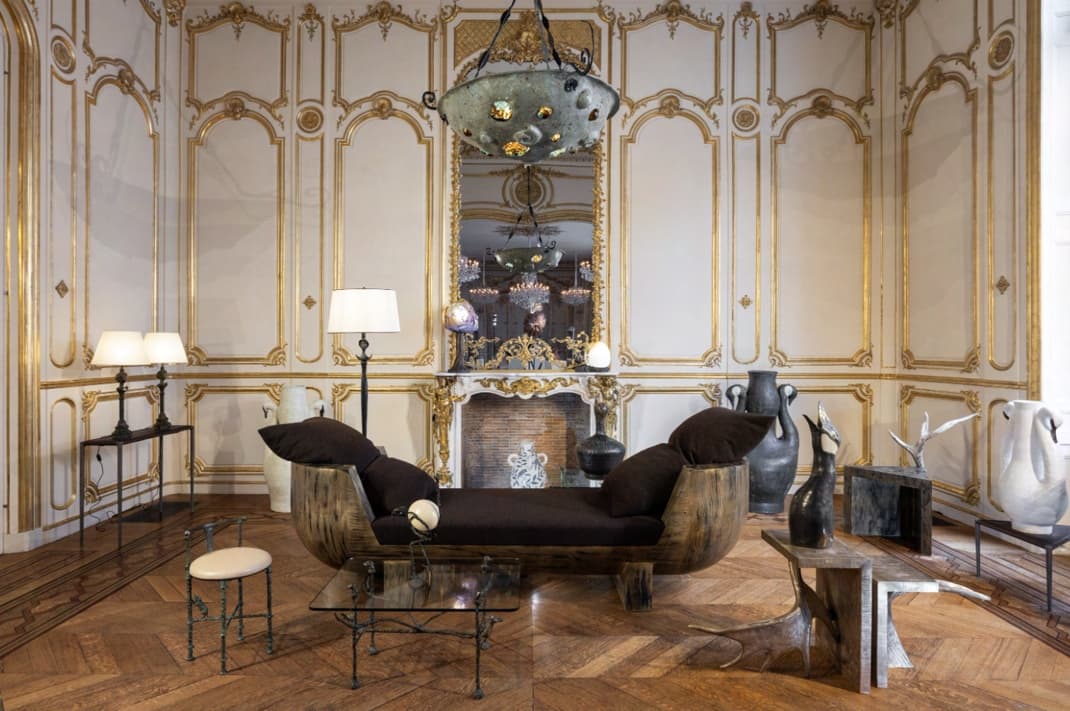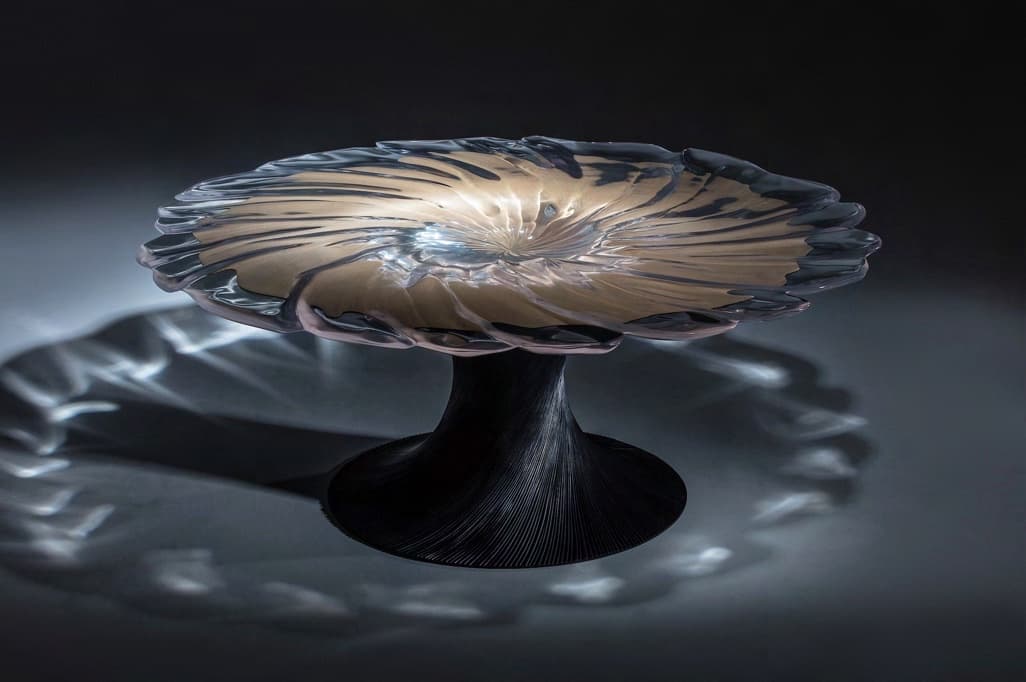
A week after the fourth edition of Design Miami Paris closed on a run of Giacometti sales, the organization is turning to its home fair. Design Miami 2026, the 22nd edition of the flagship, returns to the Miami Beach Convention Center with a Preview Day on December 1 and public days from December 2 to 6, running alongside Art Basel Miami Beach. According to the fair, more than 75 exhibitors will take part across its Gallery, Curio, Special Project and partner programs.
The curatorial director this year is Charlene Prempeh, the writer and curator, and her theme is Unveiling. The fair's statement describes it as "the moment an object gives up its secrets": what a piece shows against what it discloses, the idea behind the form, the maker's hand in the surface. Prempeh frames it as Design Miami's role "as a site of discovery."
A theme that is also a correction
After Glenn Adamson's Make. Believe. last December, which we read as a question about what craft is still for once collectible design has won its argument, Unveiling is a narrower and more practical brief. It asks exhibitors to make process visible. That is a sensible answer to the risk we raised a year ago: a market that pays for attribution will drift toward the attributable. A fair that tells galleries to show the making, not just the maker, is pushing the other way.
The test is whether the floor follows the theme or merely borrows it. On paper, several galleries have taken it literally, and that is not a criticism. Charles Burnand Gallery, Best in Show at the 2025 flagship according to Design Miami, will keep selected new works hidden under semi-translucent architectural sheeting until a choreographed sequence of automated reveals, a staging that could be a gimmick or a genuinely good joke about how fairs sell. Its roster includes Studio Furthermore, Marc Fish, Peter Lane and the Korean makers Myungtaek Jung, Kyeok Kim and Inhye Ji.
Where the hand shows
The process thread is the most convincing on paper. Adrian Sassoon brings Australian ceramicist Pippin Drysdale's porcelain landscapes, described by the fair as one of the most ambitious installations of her career, alongside Bouke de Vries and the steel-and-silver artist Junko Mori, who will be at the stand throughout. Thomsen Gallery shows Japanese bamboo baskets from the 1930s to the 1970s by Iizuka Rōkansai, Ueda Shōunsai and Maeda Chikubōsai II. Moderne Gallery sets George Nakashima's historic work beside Wharton Esherick and younger woodworkers. Bamboo plaiting and Nakashima's slabs are precisely the kind of object where the technique is the content, and they are a better fit for the brief than anything electrified.
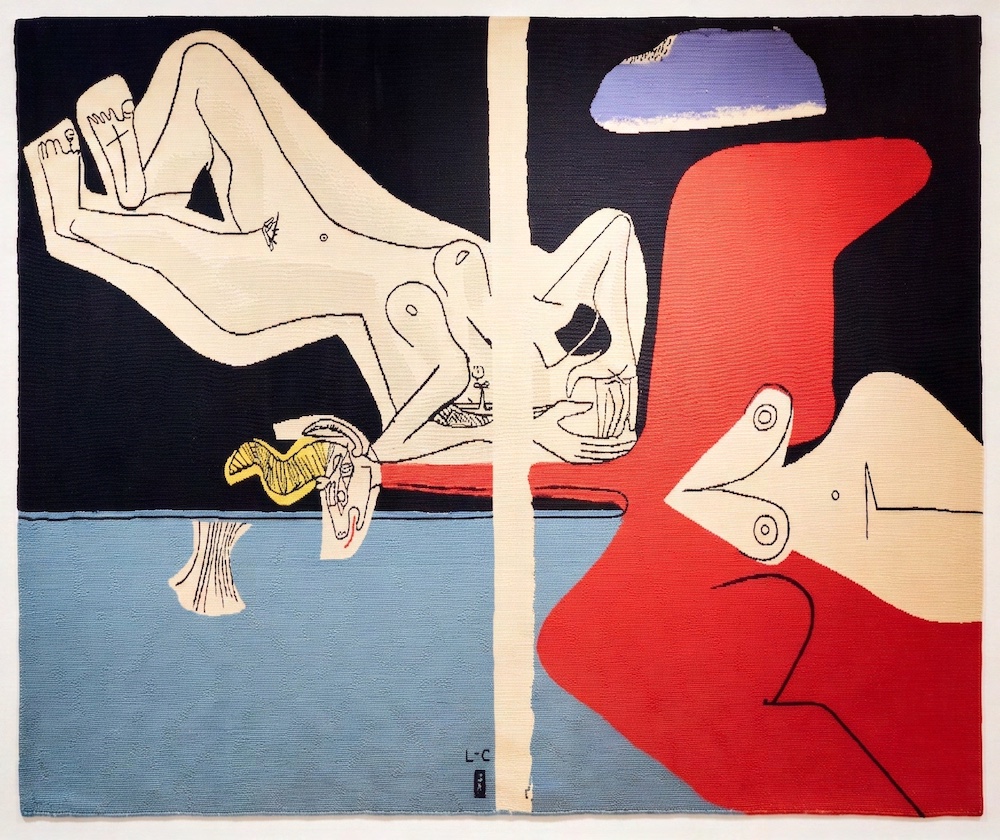
The surreal thread is livelier. Boccara Gallery brings French-woven tapestries designed by Le Corbusier, Sonia Delaunay, Alexander Calder and Man Ray, a medium the fair rightly notes is not the one most of them are known for. It is a smart choice under this theme, because a tapestry after an artist's cartoon is literally a work whose maker is not the name on it.
Brazil, again
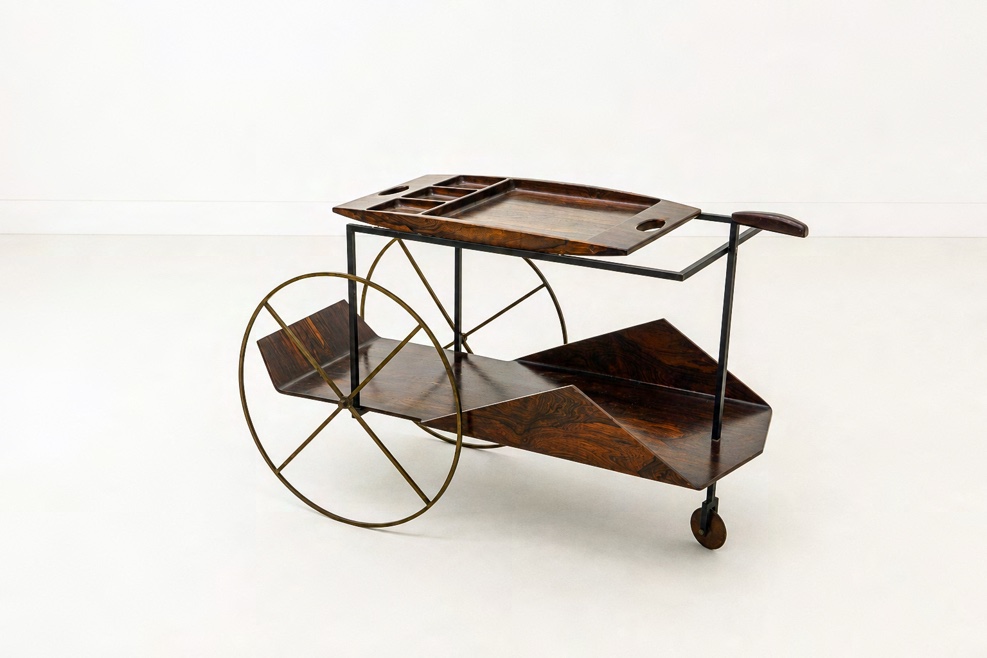
The strongest market signal in the line-up is Brazilian. Diletante brings documented mid-century pieces by Joaquim Tenreiro, Jorge Zalszupin and José Zanine Caldas; Espasso recreates a section of Lina Bo Bardi's SESC Pompeia with vintage and reissued furniture from that project; R & Company shows historic Tenreiro alongside new work by Jeff Zimmerman, the Haas Brothers and Roberto Lugo. In Paris, The A/P Room's debut sold a Tenreiro desk and a Zalszupin coffee table in the same week, as reported by Design Miami. Brazilian modernism has been rising for years. Seeing it carry two fairs back to back suggests it has stopped being a discovery and become a category.
Beyond the galleries
Special Projects include Achille Salvagni's parchment-clad furniture, an apartment interior by Charles Zana, and three presentations in the fair's Global Initiative program: EMERGE, New Asian Narratives, curated by Maria Cristina Didero for Nathan Yong Design with eleven designers from Singapore, Indonesia, Thailand, Vietnam and Malaysia; contemporary Korean craft from the Korea Craft and Design Foundation; and Doloni, a Ukrainian presentation by the Strong & Precious Art Foundation. In Curio, the platform for emerging practices, Victoria Yakusha Gallery shows NADRA, and OMET brings Mexican collectible design by Tatiana Bilbao, Héctor Esrawe and Pedro Reyes among others. Bank of America Private Bank returns as title partner for a second year.
What to watch
Two things. First, whether Miami can match Paris on historic material. The flagship's announced line-up leans contemporary, and the prices that made headlines in Paris were for Giacomettis from the 1930s. A theme about making favors living makers, which is right for the field and harder for the sales report. Second, whether Unveiling holds together as a curatorial idea across 75 stands or dissolves into a press-release word. Prempeh's appointment is a statement in itself: as reported by hube magazine, she is also guest curator of The Nue Black Aesthetic at the Design Museum in London, opening November 6, 2026. A curator with that much on her desk will be judged on whether the theme reaches the floor.
Dates, venue, exhibitor count, theme statement, quotes from Charlene Prempeh and Jen Roberts, and all gallery, Special Project, Curio and partner details from Design Miami's 2026 flagship preview release of August 25, 2026, and the 22nd-edition count from the fair's Paris closing release, via its press room. Charles Burnand Gallery's 2025 Best in Show per Design Miami's Seoul opening release. Prempeh's Design Museum exhibition as reported by hube magazine (August 10, 2026). Press images courtesy of Design Miami and the exhibitors.