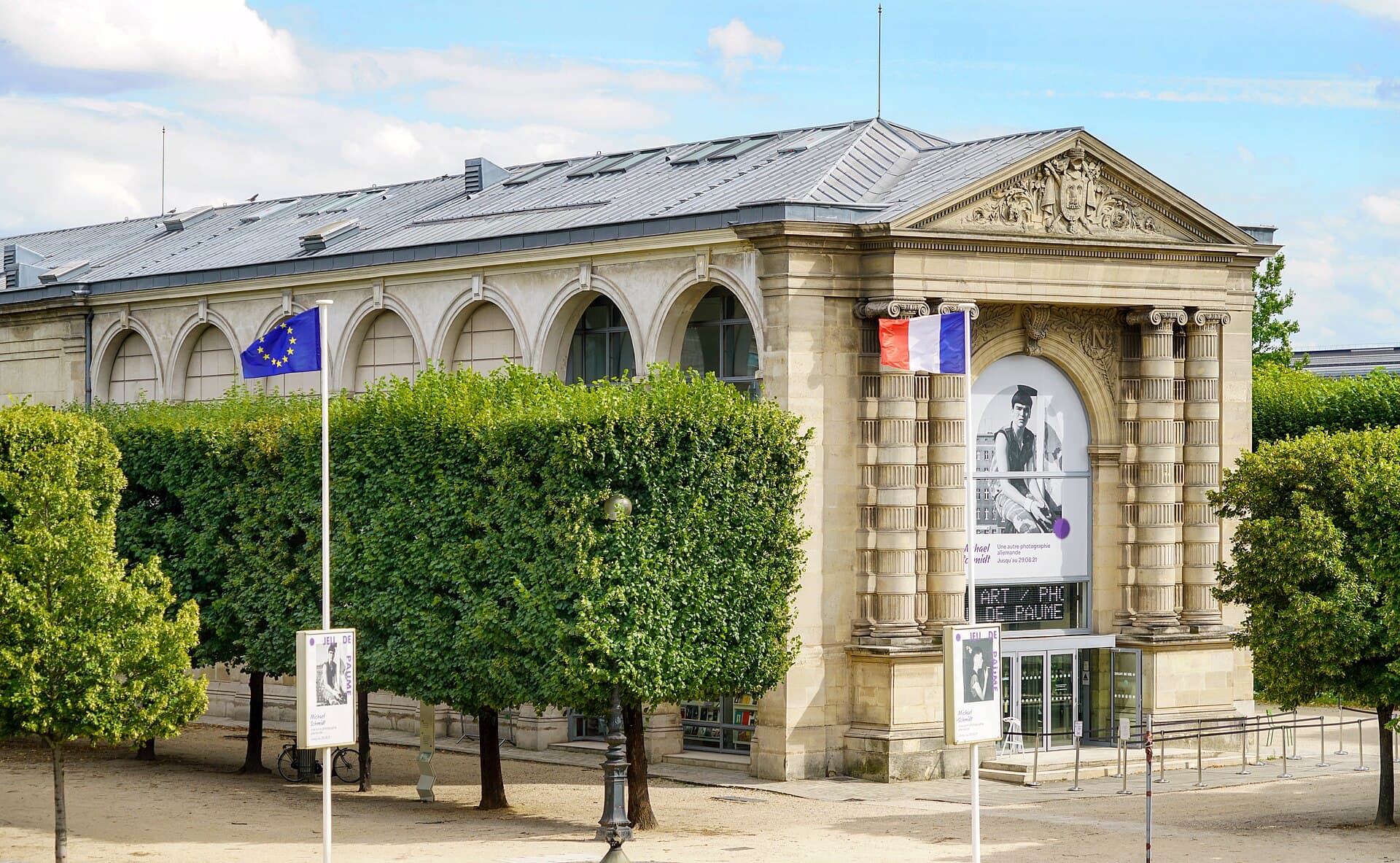
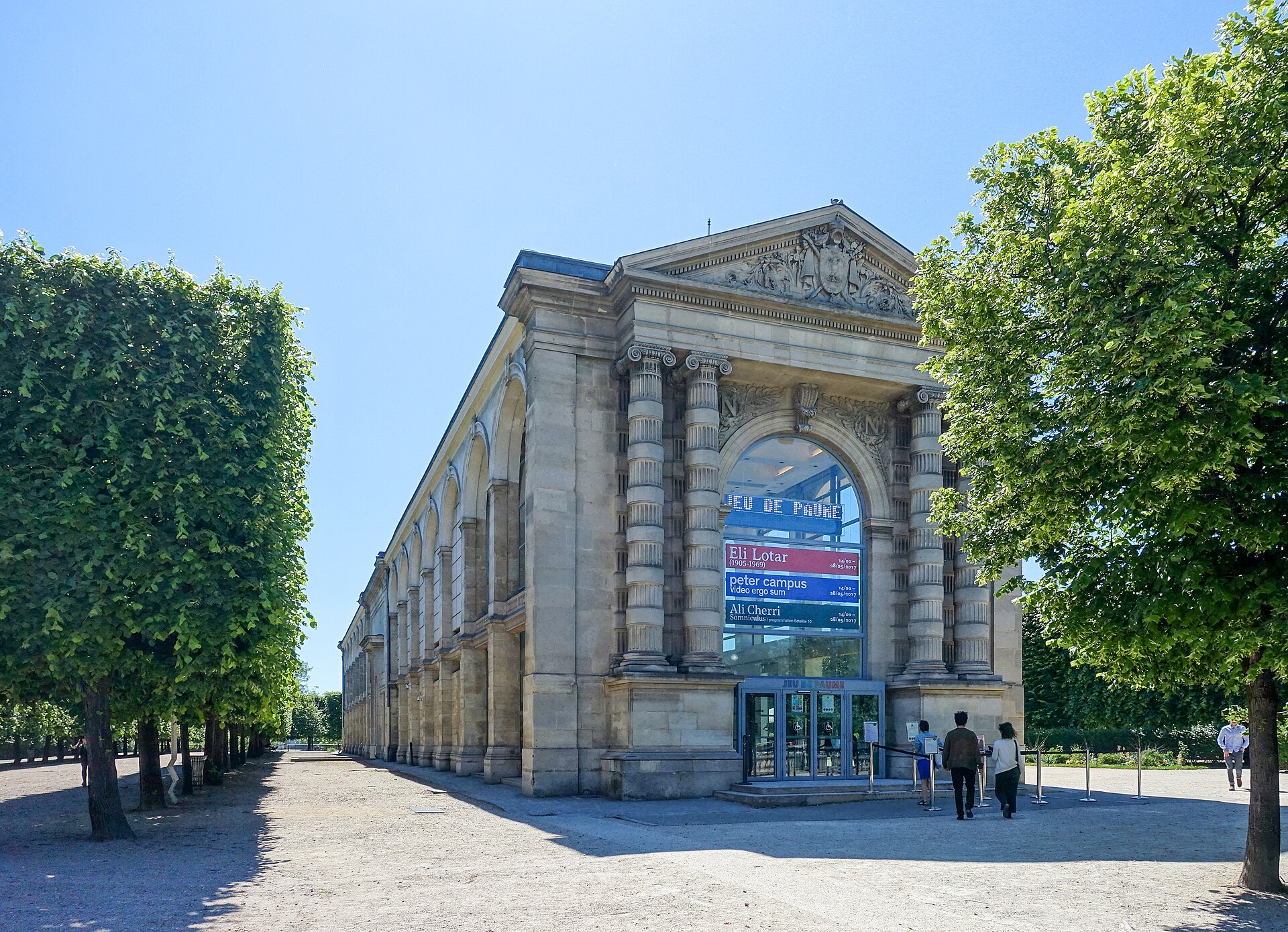
Fragile Beauté: Photographies de la collection de Sir Elton John et David Furnish is in the last week of its run at the Jeu de Paume in Paris, where it opened on June 12, 2026. We were at the museum's late opening on Wednesday, September 23, when the galleries stayed open until 9pm.
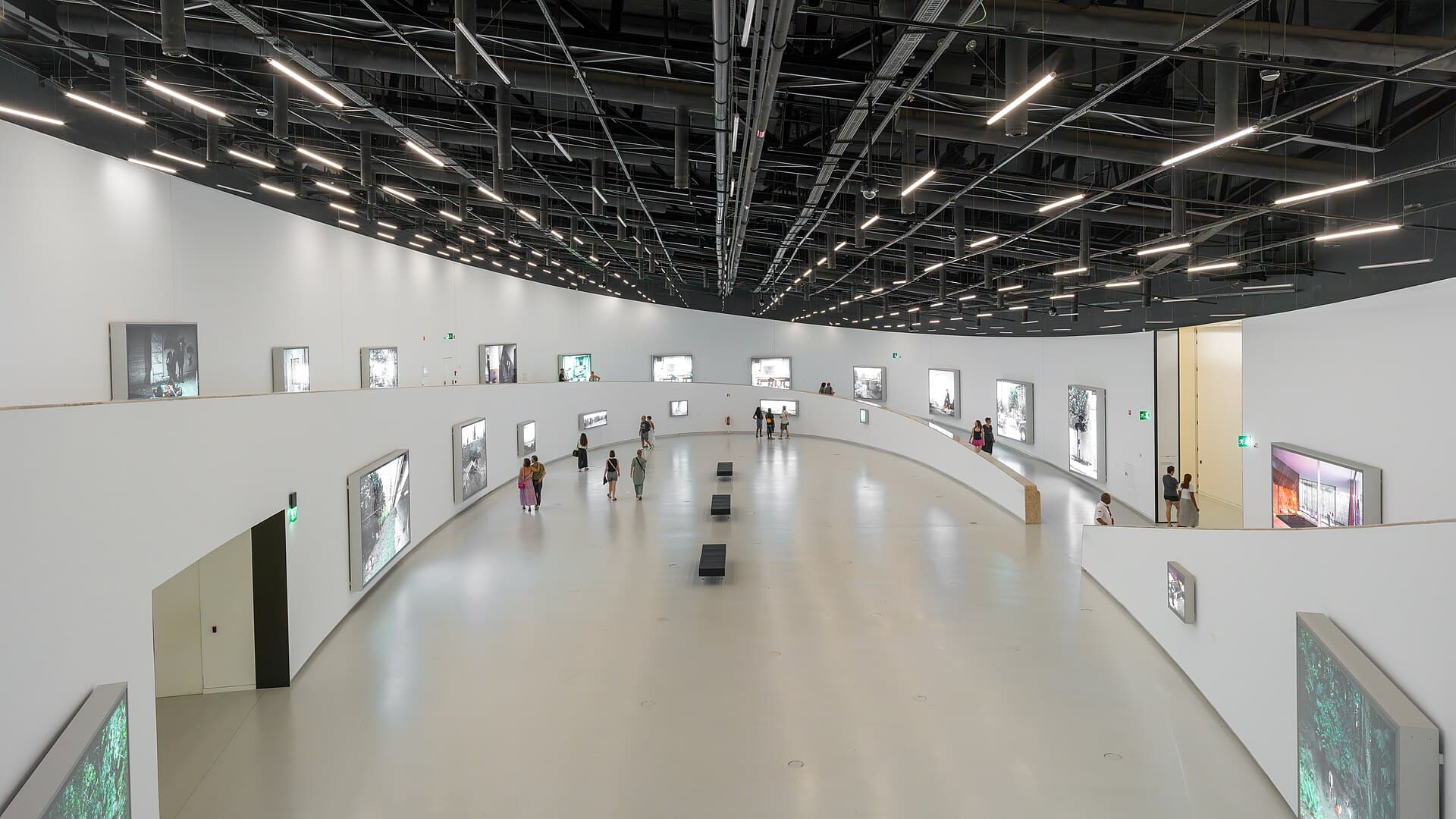
Scale is the first argument the show makes, and perhaps the loudest. It brings together more than 300 prints made between the 1950s and today, by more than 90 photographers, drawn from a collection that Elton John began in 1991 and has built since with David Furnish. It now holds over 7,000 prints and is routinely described as one of the most important private photography collections in the world. A hang of this size does not ask to be read photograph by photograph. It asks to be taken as a portrait of a taste.
A taste, not a thesis
The selection is organised in five sections, around desire, celebrity, fashion, photojournalism and the affirmation of identity. On paper the roll call runs from the canonical to the contemporary: Irving Penn, Richard Avedon, Diane Arbus, William Klein, Robert Mapplethorpe, Herb Ritts, Mary Ellen Mark, Herman Leonard and Eve Arnold, then Ryan McGinley, Harley Weir, Walter Pfeiffer and Ai Weiwei. The single largest piece is Nan Goldin's installation of 149 prints from her Thanksgiving series.
That list is the show's strength and its limit. The thread that holds Penn's studio formality next to Goldin's diaristic intimacy is not a historical argument but a collector's eye, drawn again and again to the body, to glamour and to the people the camera has made visible. Read generously, that is the point: a private collection is allowed to be partial in a way a museum survey is not. Read strictly, the categories feel less like curatorial propositions than like shelves.
The London critics split along exactly that line. Laura Freeman found the collection "more encyclopaedic than idiosyncratic" and concluded that "it doesn't sing as a whole," as reported in The Times. Alastair Sooke called it a "behemoth" that "proves bewilderingly various" in The Daily Telegraph, while Eddy Frankel, in Time Out, gave it five stars as "absolutely rammed full of iconic images." Mark Hudson, in The Independent, wrote that its best images "have the capacity to make us excited about photography, all over again." The disagreement is not about quality, which nobody disputes. It is about whether quality, accumulated, amounts to a point of view.
Where it came from
The exhibition is not new. It was produced by the Victoria and Albert Museum, where it ran in London from May 2024 to January 2025, and the Paris version is a collaboration between the V&A and the Jeu de Paume, adapted for the Concorde building.
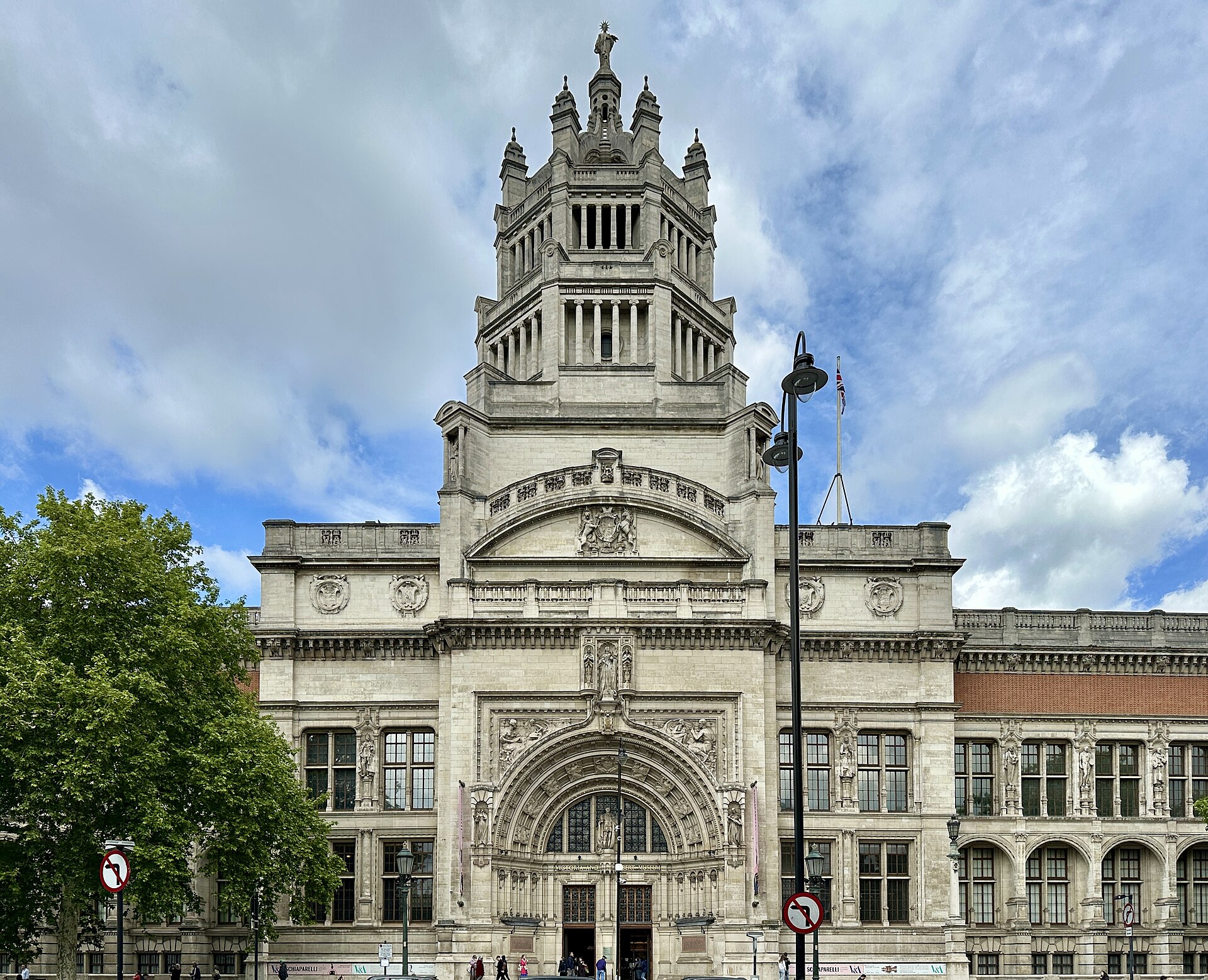
The move matters. The V&A is a museum of design and the decorative arts, where a photograph sits comfortably alongside fashion and celebrity. The Jeu de Paume is a house of the image, with its own history of showing photography as an art with a critical tradition. The same prints, rehung on the Concorde, are asked a harder question.
Why a collector lends 300 prints
For a fair-circuit reader, the most revealing part of Fragile Beauté is not any one photograph. It is the mechanism.
A private collection that travels between two national institutions, the V&A and the Jeu de Paume, with a catalogue and a full media partnership (France Inter, Vogue, Vanity Fair, France Télévisions and Konbini among them), is a collection being given a public identity. The works gain exhibition history, which is what a collection's value rests on when it is eventually placed, promised or sold. The institutions gain a crowd-drawing show without the cost of assembling one. The photographers, several of them still working, gain a hang next to Penn and Avedon.
That exchange is routine in painting. It is less common in photography, where the market is smaller, prices are lower and editions complicate the idea of a unique work. A 7,000-print collection with this kind of institutional record is one of the few that sets reference points for the whole field, and the canon it proposes is, inevitably, a canon of one household's desire.
The timing
The show closes a month before Art Basel Paris opens at the Grand Palais on October 23. Photography dealers heading into the autumn fairs will be pricing against a very public reminder of what a major collection looks like, and which names it chose to hold.
Exhibition dates, section themes, photographers and partners from the Jeu de Paume. Collection size, start date and the Nan Goldin installation as reported by Sortir à Paris and Gagosian. Critical responses to the V&A presentation (The Times, The Daily Telegraph, Time Out, The Independent) as compiled by Maxwell Museums; V&A dates from the V&A. The Jeu de Paume's listing gives September 24 as the closing date; some listings give September 27.