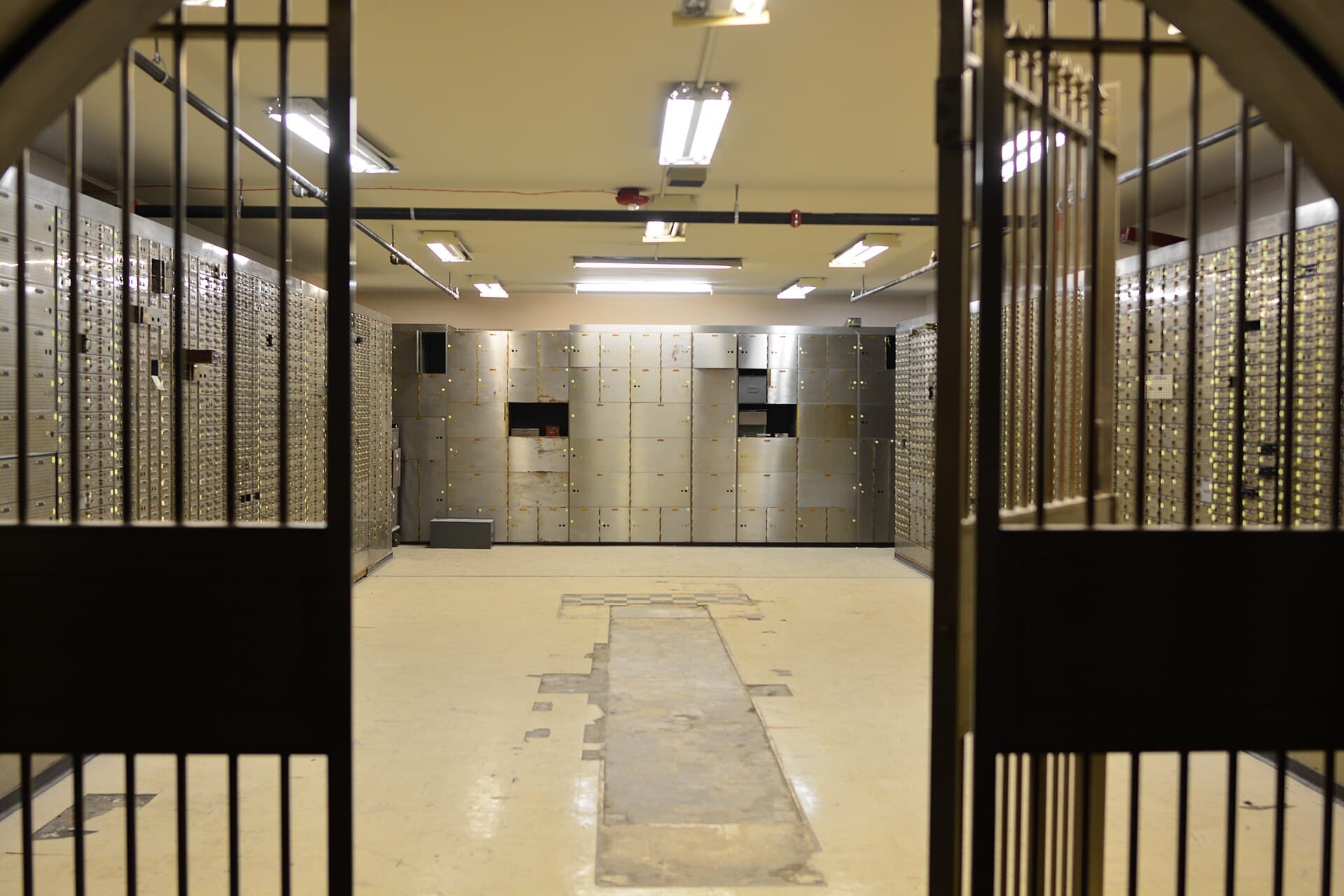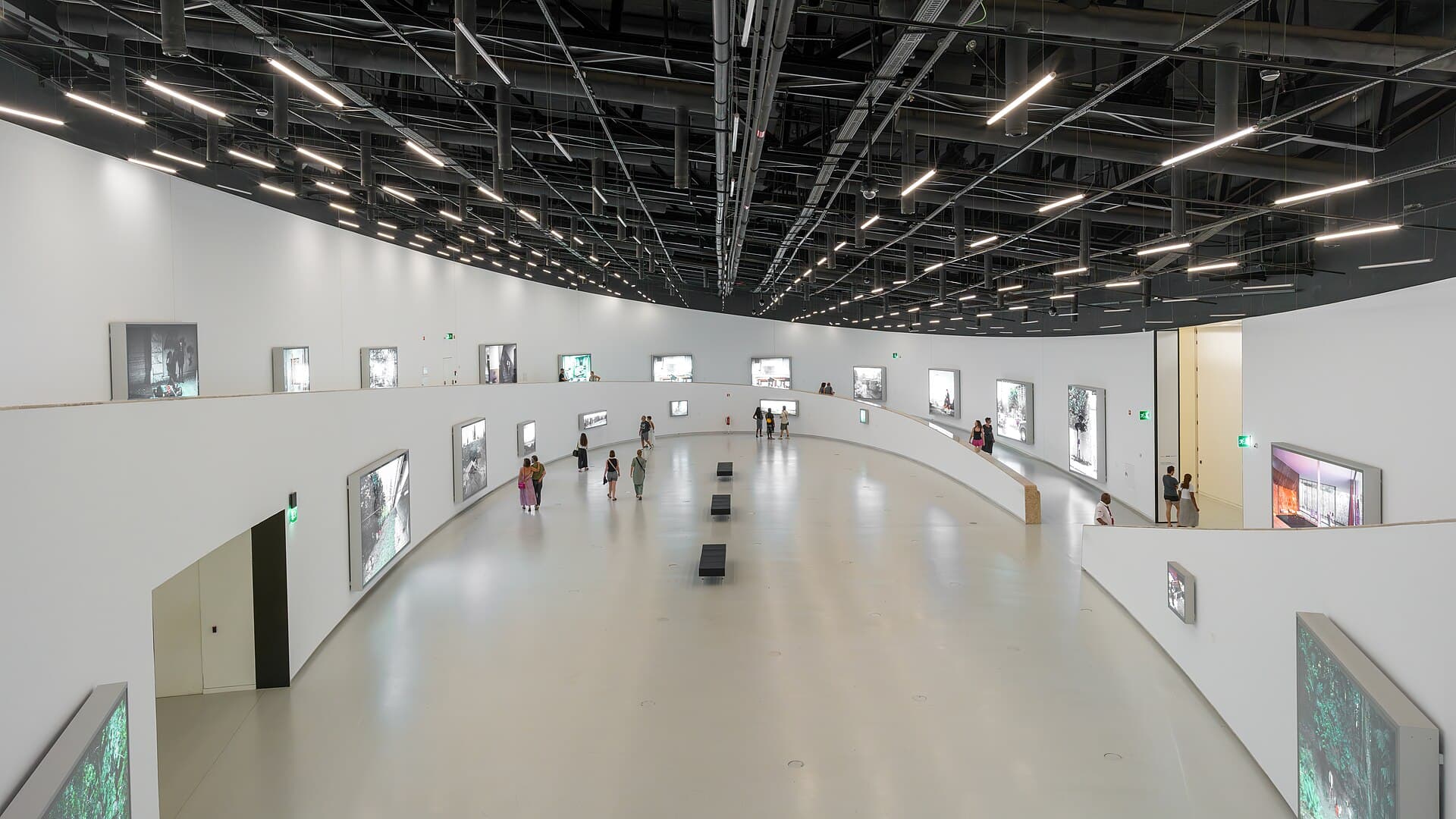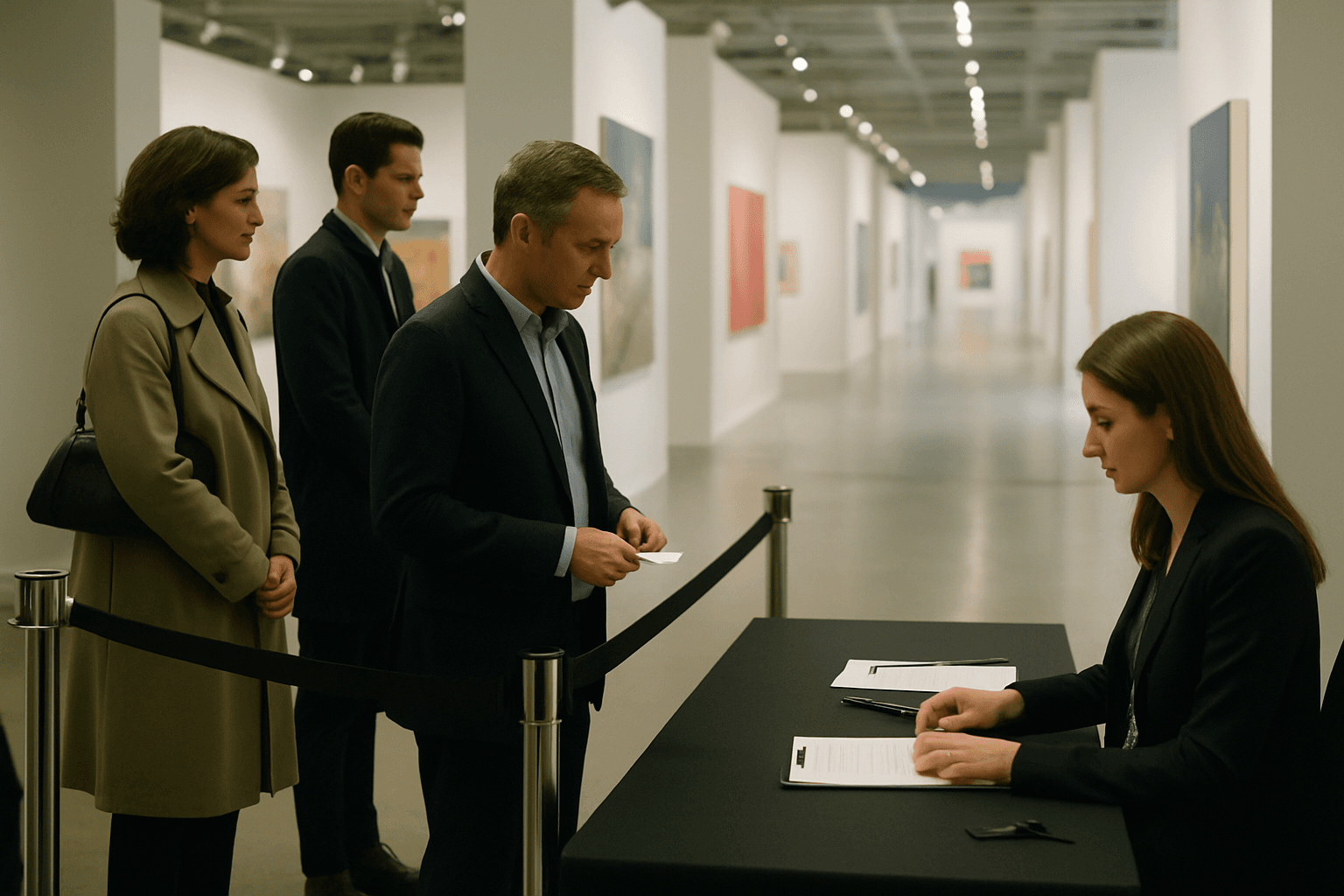
Over the last two editions, Art Basel has rebuilt the thing it actually sells. Not floor space. Access, tiered by hour.
The evidence sits in three fairs.
Paris, October 2025. The fair introduced Avant-Première, a preview ahead of the VIP preview. Hauser & Wirth sold a Gerhard Richter Abstraktes Bild (1987) for $23 million inside it, the highest reported price of the entire edition.
Hong Kong, March 2026. Galleries reported twelve seven-figure transactions across the fair, nine of them during the preview days, exceeding the total for the whole of the 2025 edition. Three quarters of the top-end business closed before the public was admitted.
Basel, June 2026. The fair introduced Basel Exclusive, developed with participating galleries, under which more than 190 main-sector galleries reserved significant works for public unveiling at the Preview opening. Transactions were reported completed within the opening hours of the edition.
The mechanism, stated plainly
Basel Exclusive is the clearest case, so start there. Its function is coordinated scarcity.
Any individual dealer has an incentive to place a major work quietly in advance: the sale is secured, the risk of carrying it home is gone. But if every dealer does that, the fair opens with its best material already spoken for, and the preview becomes a social event rather than a market. Collectors learn this, stop treating preview access as urgent, and the fair's central asset erodes.
A coordinated agreement across 190 galleries fixes that. If nobody places early, the preview opening becomes the only moment when the full supply is visible at once, and the collector who wants first refusal has to be in the building at that hour. Which is exactly what the fair is selling.
What it does to each party
For collectors, it converts a relationship into a queue position. Being a good client of a gallery used to mean getting the call. Now it means getting into the room on the right day, and the ladder of days is set by the fair rather than the dealer.
For galleries, it is a trade. They give up flexibility on when to place their best work, in exchange for a preview where the buyers are concentrated and attentive. Galleries with blue-chip inventory get the better half of that trade. A gallery whose strongest work is by an artist with two institutional shows and no auction record is paying comparable costs to be in the same building on a day engineered around material they do not have. That asymmetry is one of the pressures behind the closures this year.
For the press, it decides whether the coverage is reporting or archaeology. If three quarters of the top-end business closes on preview days, a publication admitted only for the public days is describing a market that already happened. This is the real reason accreditation deadlines for the December fairs fall as early as October: press access is scheduled against the same ladder as everything else.
The strategic logic
Set this next to the rest of the year and it stops looking like a series of individual initiatives.
Fair scale has plateaued. The flagship editions run 240 to 290 galleries, and nobody in the circuit is trying to build a 400-gallery fair. Growth by square metre is finished.
Meanwhile the online channel contracted to its lowest level since 2019, which removed the threat that physical fairs would be disintermediated and simultaneously confirmed that physical presence is what buyers will pay for.
Preview tiering is the answer to both facts at once: same floor, same galleries, more value per visitor, extracted by rationing the hour rather than the square metre. It is a yield strategy, and it is working.
What to watch in Miami
Art Basel Miami Beach runs December 4 to 6, with preview days on December 2 and 3.
The number to look for in the closing reports is not the top sale. It is the split: how much of the reported business closed on the 2nd and 3rd, against the 4th through the 6th. Hong Kong ran nine of twelve. If Miami runs the same ratio, then the American market has adopted the model too, and the public fair is officially ceremonial.
Figures as reported by Art Basel for its 2025 and 2026 editions and cross-checked against contemporaneous trade coverage. Preview structures are as described by the organizer; individual galleries' arrangements are not public.