Art Basel Qatar held its inaugural edition in Doha from February 5 to 7, 2026, with preview days on February 3 and 4. It gathered 87 galleries from 31 countries and territories, including 16 first-time Art Basel exhibitors, presenting 84 artist presentations, and welcomed more than 17,000 visitors across venues in the city.
Those numbers are small by Art Basel standards. Basel runs 290 galleries, Hong Kong 240, Miami Beach 283. Doha ran under a third of that, and it was designed that way.
The format is the story
The edition departed from the booth model entirely. Under the curatorial direction of the Egyptian-born artist Wael Shawky, the fair was staged as an open-format exhibition in which the artist presentations responded to a single curatorial theme, Becoming, rather than occupying discrete commercial stands.
This is a genuine structural departure, and it is worth being precise about why it matters. A conventional fair booth is a unit of rented commercial space; the gallery decides what goes in it and the fair sells the square metres. Under an open format with an artistic director, the fair decides how the works relate to each other, and the gallery's presentation becomes a contribution to an exhibition it does not control.
That trades commercial autonomy for curatorial coherence. Galleries accepted it, which tells you something about what a first Art Basel edition in the Gulf was worth to them.
The venues
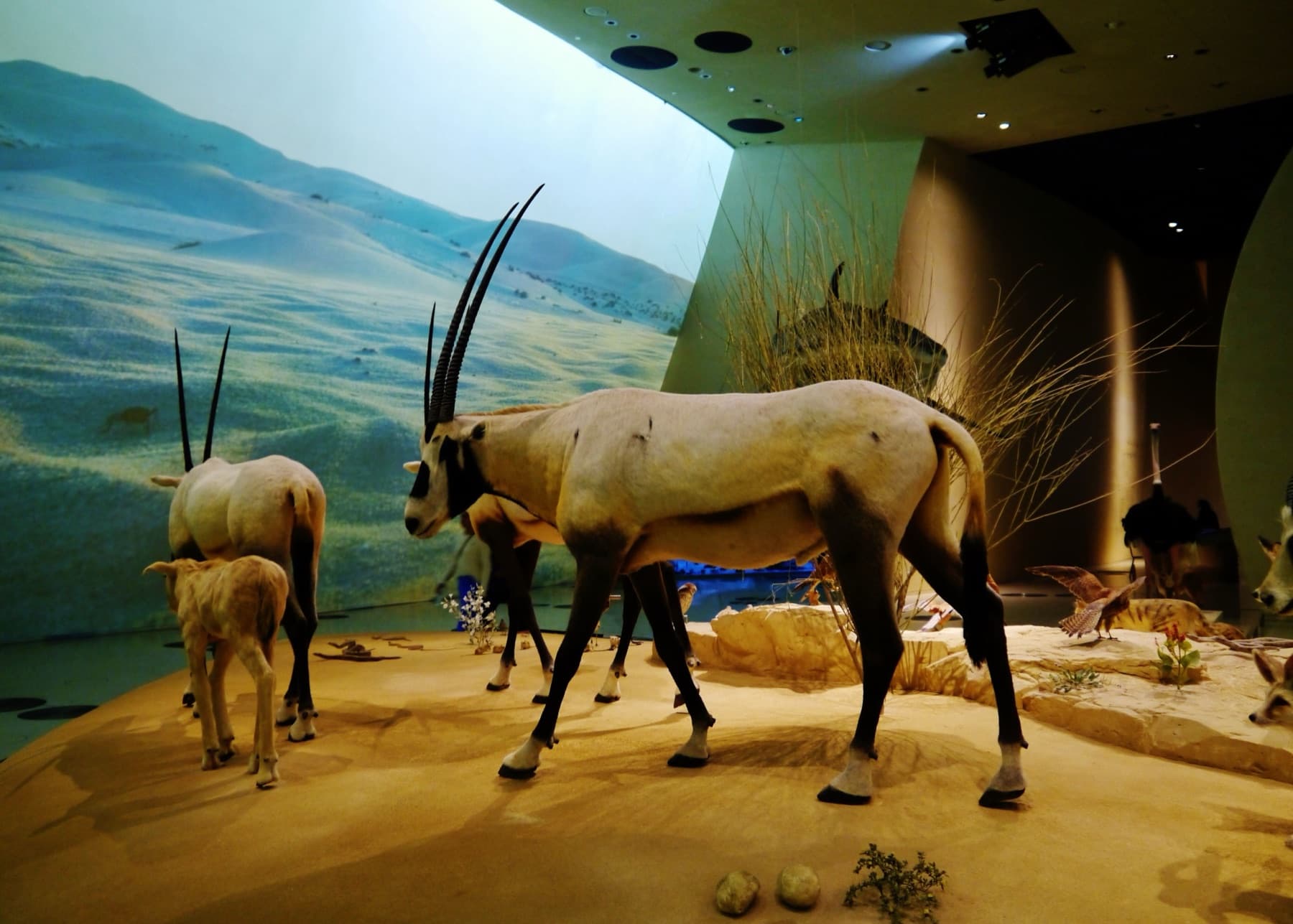
The fair took place at the M7 creative hub and the Doha Design District in downtown Msheireb, near the National Museum of Qatar, with ambitious special projects and large-scale installations distributed across the city, alongside a Conversations program.
Siting a fair inside an existing cultural district rather than a convention centre is consistent with the format choice. It also makes the 17,000 attendance figure harder to compare with anything else, since a fair spread across a city district counts a different kind of visitor than one that scans badges at a single hall entrance. That is not a criticism, but it is a reason to treat the number as descriptive rather than comparable.
What Art Basel is buying
Read alongside the rest of the year, the Doha edition fits a clear corporate pattern. Art Basel spent 2026 doing two things: extracting more value from its established fairs through preview-tier engineering, and securing geography. In March it signed a five-year exclusivity agreement with the Hong Kong government. In February it opened in the Gulf.
The Gulf move is the more speculative of the two. Qatar has spent two decades building institutional collections and cultural infrastructure, and the regional buyer base is real but concentrated. An 87-gallery curated edition is the right size for testing whether that base supports a recurring commercial fair, and small enough to be revised or quietly retired if it does not.
The Art Basel and UBS market report published a month later identified the Middle East as one of the regions to watch. The first Doha edition is the trade finding out whether that is a market or a construction project.
Figures as announced by Art Basel and MCH Group. Attendance is the organizer's own count across multiple city venues.