The tenth edition of the Art Basel and UBS Global Art Market Report, authored by Dr Clare McAndrew of Arts Economics, landed in March with the headline the trade had been waiting for: global art sales rose 4% year on year to an estimated $59.6 billion in 2025, after two consecutive years of declining values.
The sector breakdown:
| Segment | 2025 | Change |
|---|---|---|
| Total global sales | $59.6bn | +4% |
| Dealer sector | $34.8bn | +2% |
| Public auction | $20.7bn | +9% |
| Private auction sales | just under $4.2bn | -4% |
| Online sales | $9.2bn | lowest since 2019, share down to 15% |
The United States remained the largest market. Just under half of those surveyed expect sales to increase in 2026; around 20% expect a decline.
The 9% versus the 2%
Public auction up 9%, dealer sector up 2%. That four-and-a-half-fold difference is the most useful number in the report, and it is not primarily about auctions being better run.
Auction is the transparent, competitive, time-boxed channel. When confidence returns to a market after a correction, it returns first to the mechanism where price is discovered publicly and the buyer can see what someone else was willing to pay. Dealer sales require the buyer to accept a price on trust, in private, with no underbidder visible. That is a higher-trust transaction, and trust is the thing a correction destroys.
So a market recovering through the auction room faster than through the gallery is a market that is buying again but has not yet stopped being careful. Everything else in 2026 confirmed it: a $35 million Picasso in Basel, a 1909 Münter outselling the contemporary tent at Frieze, and by summer, an H1 auction season defined by a flight to quality.
The online number is the report's real news
Online art sales fell to $9.2 billion, their lowest level since 2019, with their share of the total market down three percentage points to 15%.
Six years of narrative reverse in that single line. The pandemic-era consensus held that the market had permanently digitized, that viewing rooms and online-only sales had removed the need to see a work in person, and that the fair calendar was an expensive habit rather than a necessity.
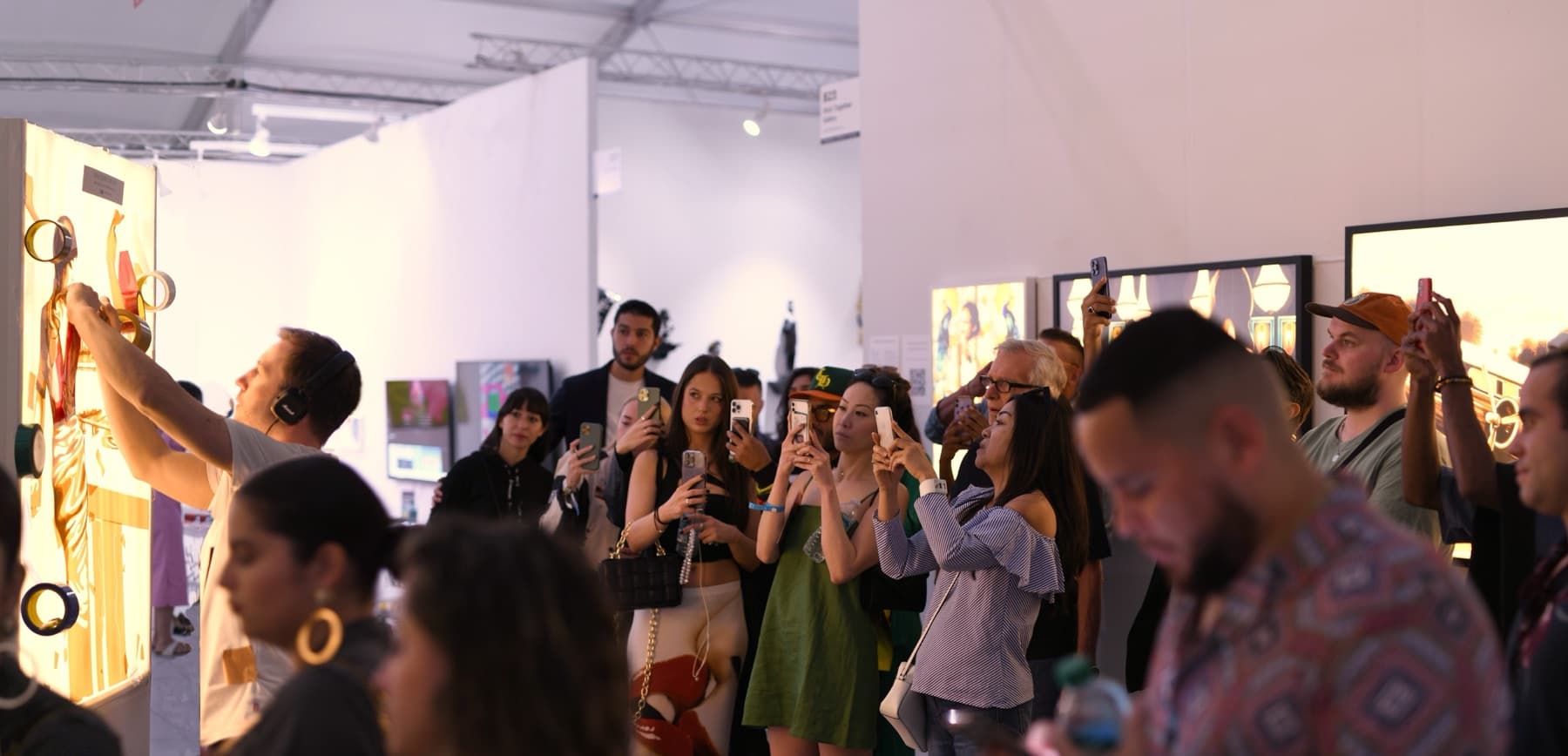
The 2025 data says the opposite. In the year the market recovered, buyers went back to rooms. Attendance across the circuit was strong, from 91,500 in Hong Kong to 90,000 in Basel, and the preview tiers that concentrate physical access became the most valuable product the fairs sell.
There is a genuine tension with what Art Basel itself is doing, since the same organization launched Zero 10 for digital-era art at the December Miami edition. But the two are less contradictory than they look, and we unpacked why in our piece on the online decline: online-only sales and digital art are different products that happen to share an adjective.
What the survey does not say
Half of respondents expecting an increase in 2026, and 20% expecting a decline, is a market with no strong conviction either way. That leaves 30% expecting things to hold, which after two down years and one up year is the honest answer.
Worth remembering when reading any of it: the report is commissioned by Art Basel and UBS, both of whom have an interest in a confident market. The methodology is published and McAndrew's work is the most rigorous in the field, but a survey of dealers about their own prospects is a sentiment instrument, not a measurement.
Report by Dr Clare McAndrew, Arts Economics, published by Art Basel and UBS. The full PDF is available from UBS. Additional summary reporting from Barnebys and Artlyst.