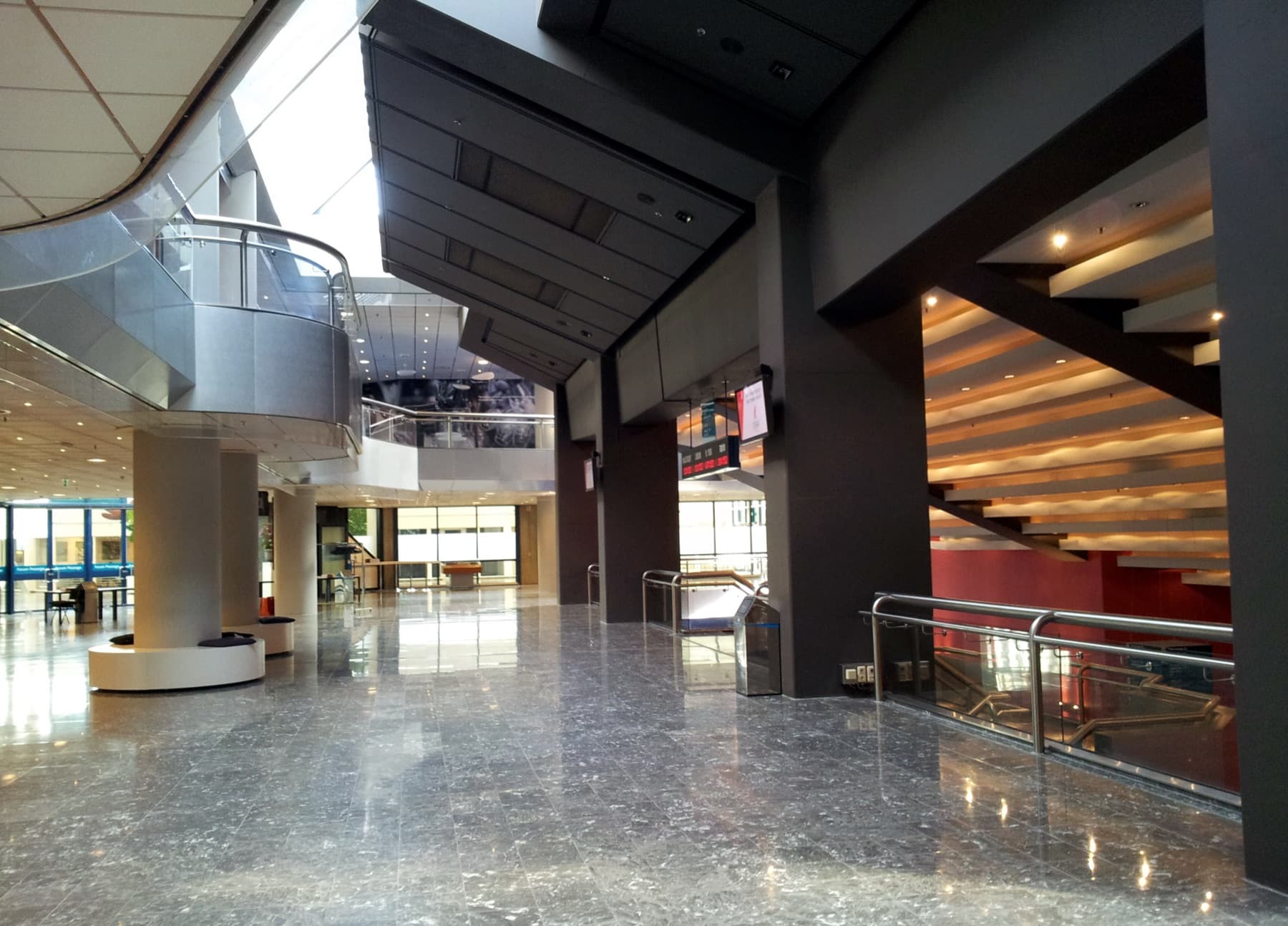
TEFAF Maastricht closed its 39th edition on March 19, 2026, after eight days at the MECC. The fair gathered 276 dealers and galleries from 24 countries across paintings, works on paper, antiques, ancient art, jewellery, modern and contemporary art and design, and reported more than 50,000 visitors.
The figure the fair led with, though, was not attendance. It was institutional participation: more than 450 museums represented, including 67 patron groups.
Why the museum count is the real metric
Almost every fair reports visitors and gallery counts, and almost every fair's numbers are therefore comparable and uninformative. TEFAF reports museums because museums are what it sells.
An acquisitions committee behaves nothing like a private collector. It moves slowly, it buys with a curatorial gap in mind rather than a taste, it needs provenance documentation that survives a legal review, and once it buys, the work leaves the market permanently. A dealer in ancient art or old masters does not need a thousand collectors, they need eleven curators with budget and a reason to travel.
That is a fundamentally different business from the one being conducted at Art Basel, and it explains why the fair runs eight days rather than four. Institutional buying does not compress into a preview hour.
The counter-cyclical fair
TEFAF's position has been strengthened, not weakened, by the correction of the last few years.
When the contemporary market wobbles, the flight to quality that follows moves money toward exactly what Maastricht sells: material with settled attribution, published scholarship, and decades of price history. We saw the same displacement at Frieze Masters in October 2025, where a 1909 Münter outsold everything in the contemporary tent. The Art Basel and UBS report, published days before this edition opened, put an aggregate on it.
That is a comfortable position, and it comes with a structural constraint that TEFAF cannot engineer its way out of. The supply of great historical material is finite and shrinking, because every museum acquisition removes a work from circulation for good. A fair whose inventory is permanently contracting can raise prices, but it cannot grow volume.
The New York question
TEFAF's American edition marked its tenth anniversary in the city this year, running alongside Frieze New York in May. A decade in, the New York edition remains materially smaller than Maastricht, which is the correct outcome rather than a failure: the institutional density that makes Maastricht work, the museums within a day's travel across Europe, does not have a straightforward American equivalent.
What Maastricht has that no competitor has replicated is the vetting. TEFAF's pre-fair vetting process, in which committees of specialists examine every object on offer and can remove work from the stand, is the reason an acquisitions committee will treat a Maastricht purchase as pre-diligenced.
That is the actual product. Not the 50,000 visitors, not the 276 dealers. A verification regime that a museum lawyer will accept.
Figures as announced by TEFAF. Attendance and institutional counts are the organizer's own.